Beyond SEO: A Singapore SME Guide to Generative Engine Optimisation (GEO)
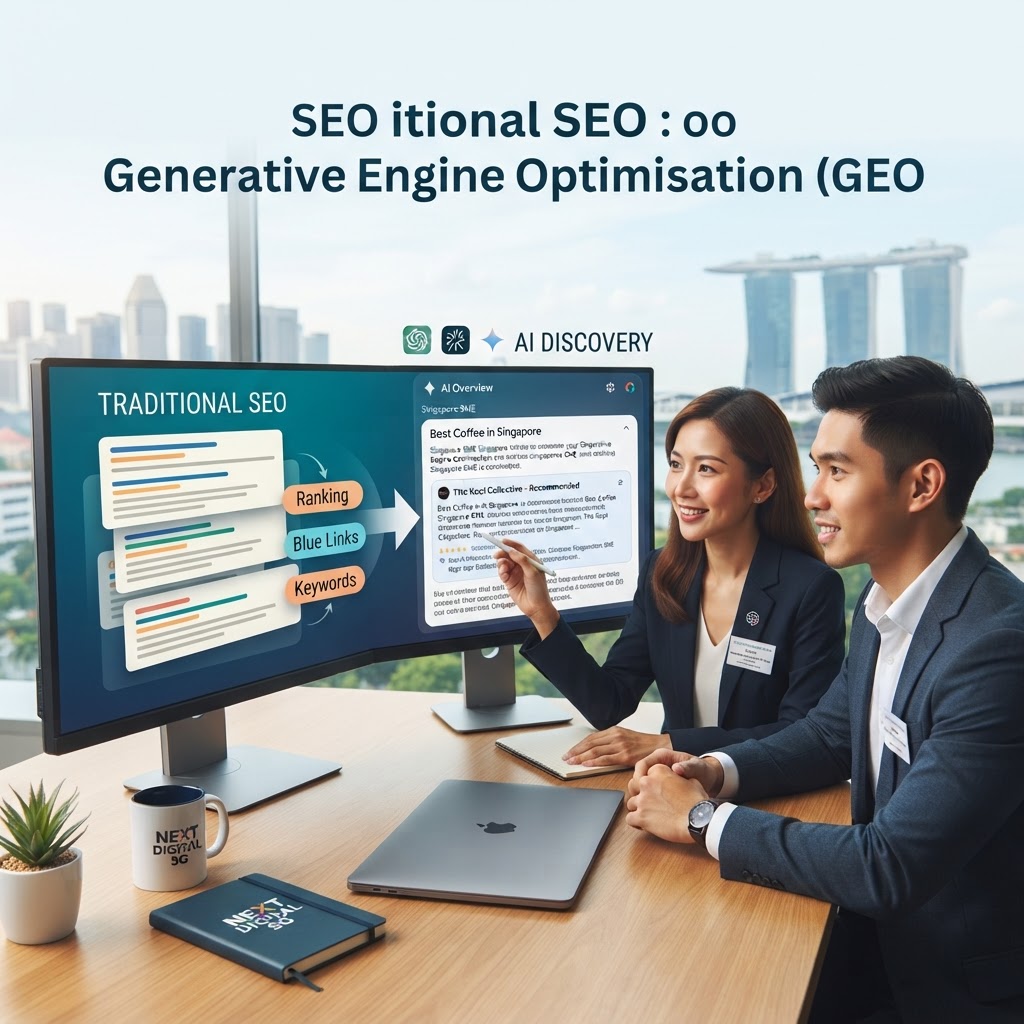
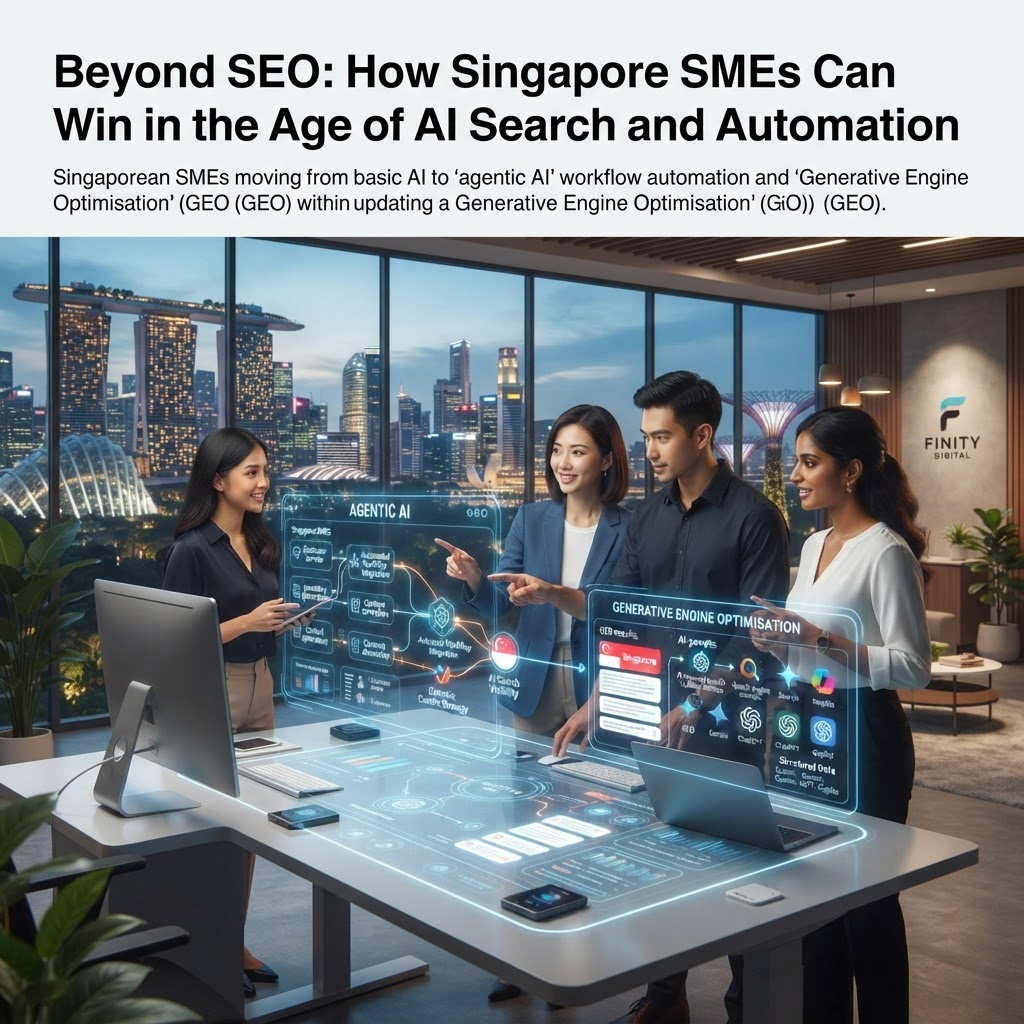
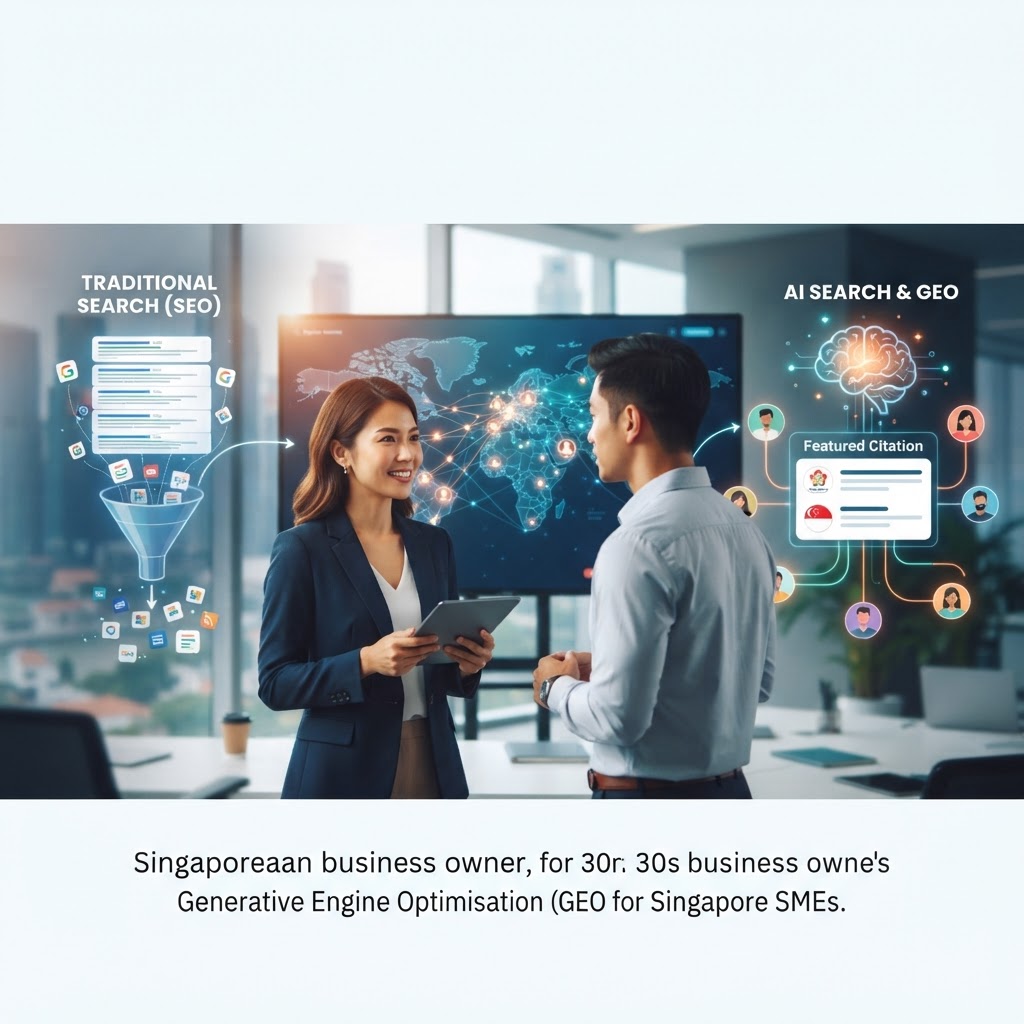
In the evolving digital landscape of Singapore, the way consumers discover services and products is shifting rapidly. For years, businesses have focused on traditional Search Engine Optimisation (SEO) to secure visibility on search engine result pages. However, the rise of AI-powered search experiences, such as Google AI Overviews, ChatGPT, and Perplexity, has introduced a new paradigm. We are entering the era of Generative Engine Optimisation (GEO), where visibility is no longer just about blue links, but about being cited by artificial intelligence as a trusted authority. For local SMEs, adapting to this change is vital to remaining relevant in a market that is increasingly AI-first. As your digital partner, our team understands that this transition requires a fundamental rethink of how your content is structured and presented. Rather than merely chasing keywords, we must now focus on providing high-quality, verifiable information that AI models can easily process and recommend to users. This guide explores the practical steps Singaporean businesses can take to align their digital presence with these new search behaviours while maintaining a strong, human-centric brand identity in an increasingly automated world.
Table of Contents
Understanding the Shift to Generative Engine Optimisation
Generative Engine Optimisation (GEO) represents a move away from the keyword-stuffed tactics of the past toward a strategy that prioritises comprehensive, factual, and authoritative answers. When a user asks an AI-powered search engine a question, the model does not simply list websites. Instead, it synthesises information from multiple sources to provide a direct response. If your website is not structured to be understood by these models, you risk being left out of the conversation entirely. For many Singapore SMEs, this feels like moving the goalposts, but it actually presents a significant opportunity to establish your brand as a thought leader. AI models favour content that is logically structured, clear, and rich in entity-based information. By focusing on answering the specific intent behind a query, rather than just hitting a search volume target, you become a more likely candidate for AI citation. Our approach to digital strategy now involves mapping out the questions your customers are asking and ensuring your website provides the definitive answer. This means moving beyond generic service pages and developing deep, expert-level resource hubs that provide actionable advice. Whether you are a local retailer or a professional services firm, the goal is to be seen as the most reliable source of information for your specific niche. By embracing this shift, you ensure that as search engines evolve, your business remains a primary reference point rather than an overlooked bystander. Building this authority takes time and consistent effort, but it is the most effective way to secure long-term visibility in the era of generative search, ensuring your brand stands out when it matters most to your potential customers.
Content Strategies for AI Citations
Achieving success in GEO requires a deliberate content strategy that emphasises quality over quantity. AI models use complex algorithms to parse text and identify high-value information. To ensure your business is recommended, your content must be accurate, transparent, and easy for machines to crawl. One of the most effective tactics is to create structured content that directly answers ‘who’, ‘what’, ‘where’, ‘why’, and ‘how’ questions related to your products or services. In the Singapore SME context, this could involve creating detailed guides on how to navigate local regulations, how to benefit from the Productivity Solutions Grant (PSG), or how to choose the right professional services. By offering this type of value, you become a trusted resource for AI models. Furthermore, readability and structure are paramount. We recommend using clear headings, concise bullet points, and defined data tables to categorise information. AI models often extract information from these formatted elements because they are easier to process than long, rambling paragraphs. Another essential element is the use of entity-based content. Instead of just focusing on a specific keyword, discuss related concepts, industry benchmarks, and local Singapore market trends. This helps the AI understand the context of your business and reinforces your authority on the topic. When you demonstrate a deep understanding of your industry, the AI is more likely to trust your content as a source for its summaries. Consistency in your messaging across your website, social media, and Google Business profile also plays a role, as AI models cross-reference information to verify claims. By focusing on providing genuinely helpful, expert-led content, you not only improve your chances of AI citation but also significantly enhance the overall experience for human visitors, leading to better conversion rates and stronger customer loyalty.
| Strategy Aspect | Traditional SEO Focus | GEO Focus |
|---|---|---|
| Primary Goal | Search Ranking | Answer Citation |
| Content Format | Keyword density | Contextual depth |
| Information Delivery | Link building | Authority and facts |
| User Intent | Click-through rate | Query resolution |
Technical Foundations and Performance
Technical performance has never been more critical. While traditional SEO often prioritised mobile-friendliness and speed, GEO elevates these requirements even further. An AI-powered engine must be able to crawl and index your site content without friction. If your site suffers from slow load times, poor navigation, or cluttered code, the search engine’s spiders may struggle to extract the information needed for an AI overview, or worse, ignore your site entirely. Performance-first builds are at the heart of our service. We focus on Core Web Vitals—a set of metrics that measure real-world user experience, including loading speed (LCP), interactivity, and visual stability. When a site is optimised for these metrics, it is not just pleasing Google; it is creating a seamless environment for both humans and AI bots. A slow site is a barrier to entry in the modern web landscape. For SMEs looking to compete, investing in a robust technical foundation is a non-negotiable step. This includes implementing schema markup, which provides the AI with structured data about your content, such as your business location, service offerings, and customer reviews. Think of schema as a map that tells the AI exactly what your website is about, making it much easier for the engine to categorise your business accurately. We also advocate for clean, efficient code and mobile-responsive designs that perform well on the high-bandwidth, mobile-centric networks common in Singapore. In our experience, refreshing an outdated website for better performance often leads to a noticeable uplift in engagement. With the availability of the PSG grant, local businesses can now offset up to 50% of the cost of these essential digital upgrades, making it an ideal time to ensure your technical house is in order before the next major wave of search evolution hits the market.
Localisation and Trust in the AI Era
For a Singapore SME, trust is your most valuable asset. AI models are programmed to provide objective, trustworthy information, and they prioritize brands that can demonstrate reliability. In the local context, this means your content must reflect the nuances of the Singapore market. You should be active in highlighting your compliance with the Personal Data Protection Act (PDPA), your involvement in local community initiatives, and your adherence to industry-specific standards. These signals, when clearly communicated on your site, help the AI ‘understand’ that you are a legitimate and reliable business entity. Localisation is about more than just mentioning Singapore; it is about providing content that resonates with the specific challenges and aspirations of local business owners and consumers. For instance, explaining how your services cater to the unique regulatory landscape of the APAC region or offering insights into Singapore-specific trends can differentiate your brand from international competitors. We also place a strong emphasis on building a solid reputation through genuine reviews and mentions across reputable industry platforms. AI models monitor these external signals to build an ‘entity profile’ for your business. The more positive, consistent data points you have across the web, the more confident the AI becomes in recommending you. It is also important to maintain a professional, founder-led tone that feels approachable and authentic. As the digital world becomes more automated, the human touch—demonstrated through expertise and patient, clear communication—becomes a key differentiator. Our team believes that the most successful businesses will be those that balance high-tech visibility with a high-touch, human-centric approach, ensuring that when an AI recommends a business to a customer, it is recommending a partner that truly understands their needs and provides the personalised service that defines the Singapore business culture.
Frequently Asked Questions
1. What is the main difference between SEO and GEO? SEO focuses on achieving high rankings for blue links, whereas GEO focuses on creating structured, high-quality content that AI models use to form direct, cited answers for users.
2. How can my Singapore SME benefit from the PSG grant? The Productivity Solutions Grant can help cover up to 50% of the costs for digital projects, including website rebuilds that improve performance and technical compliance for modern search standards.
3. Will traditional SEO still be relevant in the future? Yes, SEO is evolving. Many of the core principles of SEO—such as quality content and technical performance—are foundational to GEO. Both strategies aim to provide the best possible experience for the user.
4. How long does it take to see results with GEO? Results are not instant. Building the authority and technical foundation required for AI citation takes time, usually requiring several months of consistent content creation and site optimisation.
5. Can iPro Dezign help with my GEO strategy? We provide one-stop digital solutions, from performance-first web builds to content strategy development, helping SMEs navigate the shift toward AI-optimised search while ensuring compliance with local standards.
In conclusion, the shift towards Generative Engine Optimisation is a significant opportunity for Singapore SMEs to solidify their digital footprint. By focusing on expert-led, structured content and maintaining a high-performance technical foundation, your business can become a go-to authority in your industry. This is not about chasing the latest trends, but about building a sustainable, trustworthy presence that works for both your human customers and the AI engines of the future. We encourage you to take the first step by auditing your current site performance and reviewing your content strategy against the needs of today’s digital landscape. As your local growth partner, we are ready to assist you with a comprehensive strategy, ensuring your business stays ahead of the curve. Book a consultation with our team today to discuss your digital needs and check your eligibility for PSG funding support.