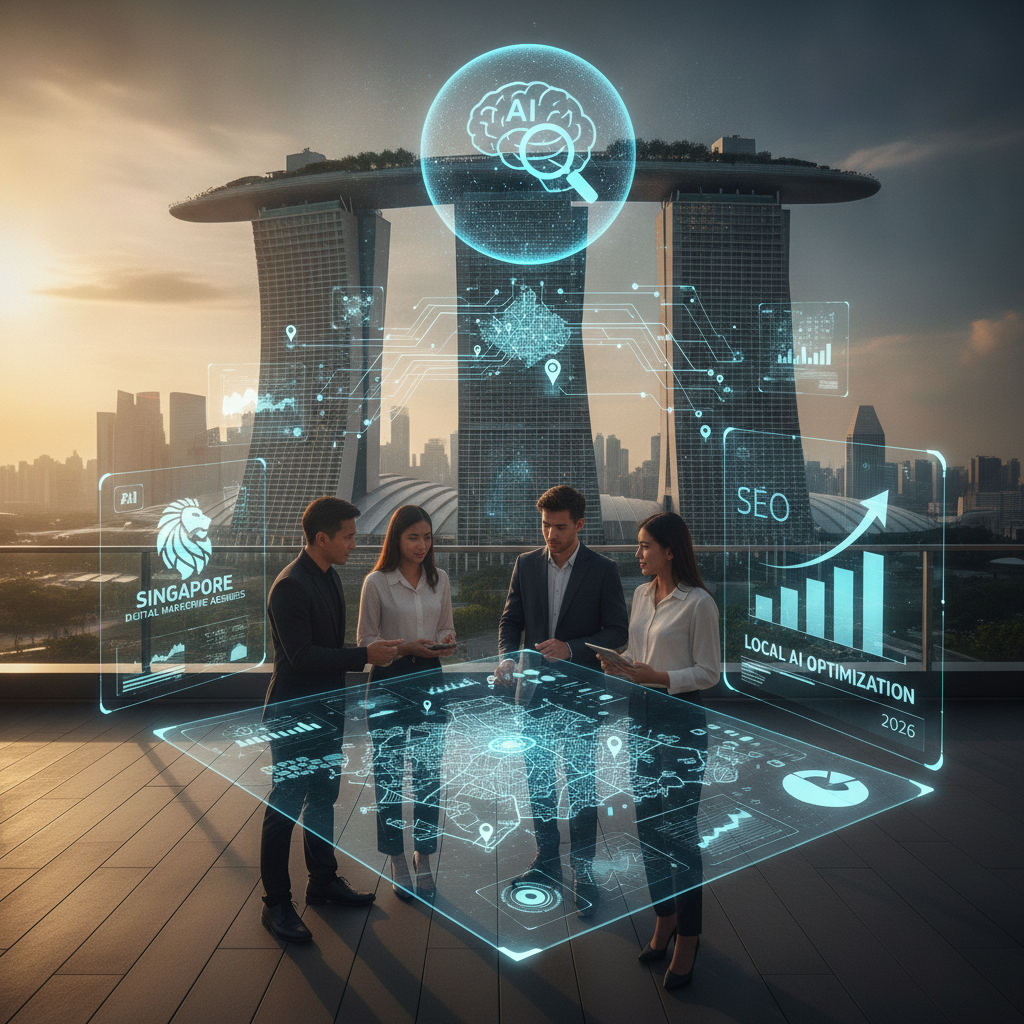
Harnessing AI-Powered Personalization to Transform Your Digital Marketing Strategy
Introduction: The Rise of AI in Digital Marketing
In recent years, the digital marketing landscape has undergone a radical transformation, primarily driven by advances in technology. One of the most significant advancements has been the rise of AI-powered personalization. Businesses are increasingly leveraging artificial intelligence to create personalized experiences that resonate with their audience, thereby enhancing engagement and maximizing conversions.
Understanding AI-Powered Personalization
AI-powered personalization refers to the use of artificial intelligence technologies to tailor content, product recommendations, and marketing messages to individual users based on their behavior, preferences, and real-time data. This approach goes beyond traditional personalization methods, enabling marketers to analyze vast amounts of data and predict user behavior with remarkable accuracy.
Benefits of Implementing AI in Your Marketing Strategy
- Enhanced Customer Experiences: By utilizing AI-powered personalization, brands can create highly relevant and personalized content that meets user needs, leading to improved customer satisfaction.
- Increased Engagement: Targeted messages and recommendations drive higher interaction rates, as consumers are more likely to engage with content that speaks directly to them.
- Higher Conversion Rates: When marketing messages are tailored to individual preferences, the likelihood of conversion increases significantly, leading to higher ROI on marketing efforts.
- Cost-Efficiency: Automation and optimization reduce the need for extensive manual data analysis and campaign adjustments, allowing digital agencies to allocate resources more effectively.
Steps to Integrate AI-Powered Personalization
Integrating AI-powered personalization into your marketing strategy requires a systematic approach:
- Data Collection: Gather customer data from various touchpoints, including website interactions, social media engagement, purchases, and surveys.
- Choose the Right Tools: Utilize AI tools and platforms designed for personalization, such as recommendation engines, chatbots, and predictive analytics software.
- Segment Your Audience: Analyze the collected data to identify customer segments. Consider factors such as purchasing behavior, demographics, and engagement history.
- Create Personalized Content: Develop marketing messages and content tailored to each segment’s preferences and behaviors, enhancing relevance and engagement.
- Test and Optimize: Continuously monitor performance metrics and iterate your strategies based on data-driven insights to improve personalization efforts.
Case Studies: Successful AI Implementations
Several businesses have successfully harnessed AI-powered personalization to revolutionize their marketing strategies:
- Amazon: By analyzing customer behavior, Amazon provides tailored product recommendations, leading to substantial increases in average order value.
- Netflix: Through sophisticated algorithms, Netflix personalizes content suggestions, keeping users engaged and reducing churn rates.
- Spotify: Spotify utilizes AI to curate personalized playlists and recommend new music based on listening habits, enhancing user satisfaction and loyalty.
Conclusion: Embracing the Future of Digital Marketing
As we move deeper into 2026, AI-powered personalization will continue to shape the future of digital marketing. Digital agencies that adopt these technologies will be better positioned to engage their audience, deliver value, and drive performance. Embracing this transformative approach is not just beneficial; it’s essential for staying competitive in an increasingly dynamic market.
Frequently Asked Questions
1. What is AI-powered personalization?
AI-powered personalization is the use of artificial intelligence to tailor marketing messages, recommendations, and content based on individual user behavior and preferences.
2. How can I implement AI-powered personalization in my marketing strategy?
To implement AI-powered personalization, start by collecting customer data, choosing the right AI tools, segmenting your audience, creating personalized content, and continuously optimizing your strategies.
3. What are the key benefits of AI-powered personalization?
The key benefits include enhanced customer experiences, increased engagement, higher conversion rates, and cost efficiency, all of which contribute to better overall marketing performance.