Beyond Traditional SEO: A Guide to Generative Engine Optimisation for Singapore SMEs
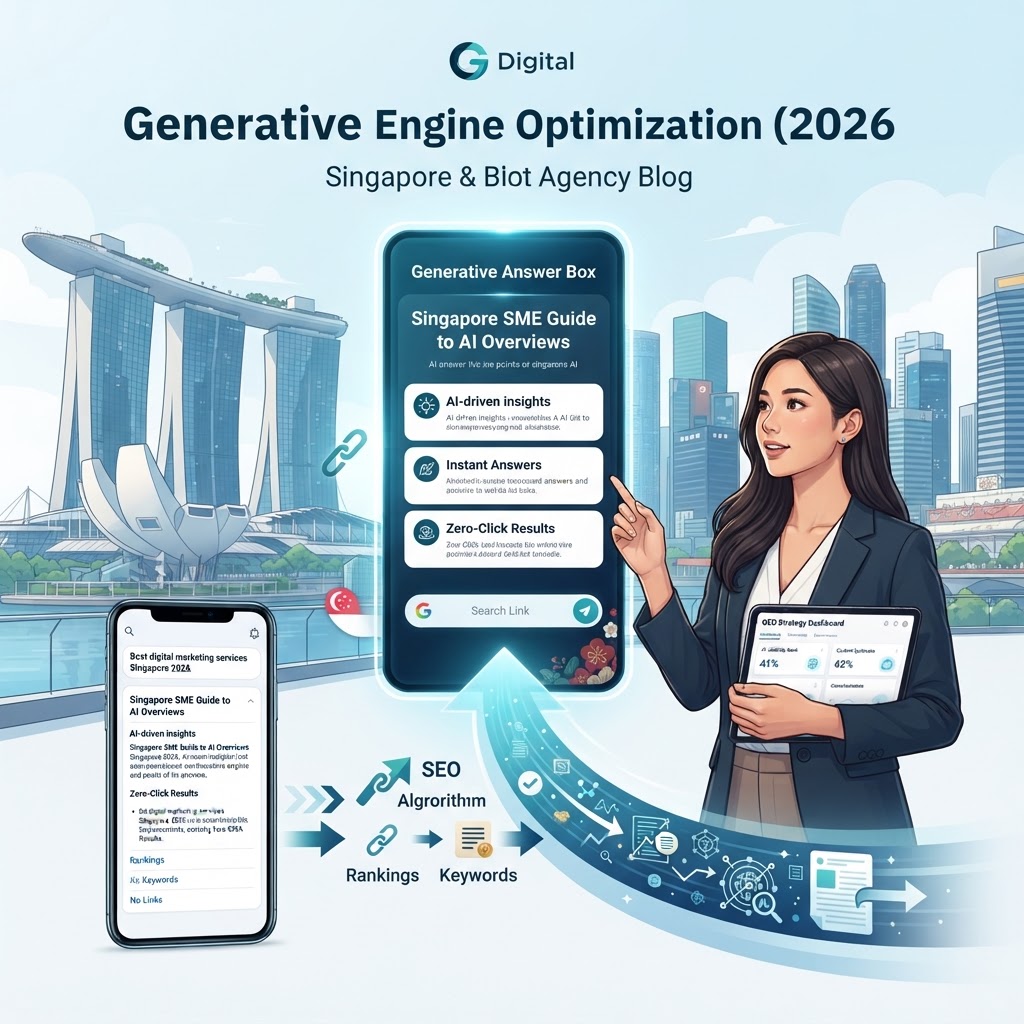
The digital landscape in Singapore is shifting beneath our feet. For years, SME owners have focused on traditional Search Engine Optimisation (SEO) to climb Google’s blue links. However, the rise of AI Overviews, ChatGPT, and Perplexity has fundamentally changed how consumers discover information. Instead of clicking through ten links, users now receive direct, synthesized answers from AI tools. To remain visible, Singapore businesses must embrace Generative Engine Optimisation (GEO), a strategic approach that prioritises being cited as a trustworthy source within AI-generated responses. At iPro Dezign, our team has monitored these trends closely to ensure our clients do not lose their hard-earned traffic. Adapting to this new reality is not just an technical upgrade; it is a business imperative for staying competitive in the APAC market. This guide explores why GEO is the future of discovery and how you can position your brand to be the expert voice these systems recommend. Whether you are leveraging PSG grants for digital transformation or refining your existing web strategy, understanding this transition is key to long-term digital growth in a crowded, AI-first ecosystem.
Table of Contents
Understanding Generative Engine Optimisation
Generative Engine Optimisation represents a departure from the keyword-stuffed tactics of the early internet. While traditional SEO focuses on signals like backlink volume and specific keyword density to rank individual pages, GEO focuses on establishing your brand as a primary information source. AI models do not simply scan for pages; they ingest large datasets to provide holistic answers to user queries. If your website provides authoritative, accurate, and structured information that addresses specific business problems, you increase the likelihood of being cited by an AI engine as a foundational source. In the Singapore context, where mobile-first habits are prevalent, AI interfaces like Perplexity or Google’s Gemini are becoming the primary gateway for local search queries, ranging from finding the best accounting services in Jurong to navigating PDPA compliance for retail stores. Because these platforms synthesise data from various providers, they favour content that demonstrates deep topical expertise rather than surface-level keyword targeting. Your goal is to become the trusted answer. This shift requires a consultative approach to digital marketing where you move beyond simple rankings to consider the user journey within an AI chat interface. When an AI summarizes a solution, it often includes a direct citation or a summary box linked to a reputable site. By structuring your website data using schema markup—which acts like a digital label telling search engines exactly what your content is about—you make it easier for these sophisticated algorithms to verify your claims and cite your business as the expert authority in your specific niche. This is the difference between being a ghost in the machine and being the primary source of truth for your potential customers.
The Technical Foundations of Visibility
Performance remains the cornerstone of all web visibility, but its role has evolved under the GEO model. Google’s Core Web Vitals—a set of metrics tracking visual stability, interactivity, and load times—are more critical than ever. An AI bot assessing a website for potential citation considers how efficiently a user can actually interact with your site. If your site is bloated, slow, or difficult to navigate, AI tools will naturally deprioritise your pages because they represent a poor user experience. Our team at iPro Dezign emphasises that a fast, secure, and mobile-responsive site is the foundation for any AI-readiness. Furthermore, we must address the architecture of your content. AI engines struggle with messy, unorganised information. By implementing a headless CMS or a structured data strategy, you provide the AI with a clear, readable map of your offerings. Below is a comparison of traditional SEO metrics versus the GEO-focused technical requirements for modern Singaporean businesses:
| Metric | Traditional SEO | GEO Requirement |
|---|---|---|
| Primary Goal | Page Ranking | Source Citation |
| Content Style | Keyword-Optimised | Topical Authority |
| Data Structure | Standard HTML | Schema & Linked Data |
| Success Metric | Organic Click-Throughs | AI Attribution |
Technical excellence in the era of GEO also involves ensuring your site architecture supports logical paths for information retrieval. When we rebuild a client’s platform for optimal speed and searchability, we focus on modular content blocks. This allows AI engines to extract specific answers from your site without needing to parse through unnecessary site navigation or heavy script files. Security, as mandated by PDPA regulations, also plays a silent role here; AI crawlers respect reputable, secure, and well-managed sites. Investing in a robust, performant build not only satisfies these bots but also boosts your conversion rates by providing a seamless, professional experience for every human visitor who lands on your site via these citations.
Crafting Content for AI Engines
Content is no longer about tricking a search algorithm; it is about building a repository of knowledge that an AI engine can confidently cite as a reference. This involves writing with clarity, depth, and a focus on answering the specific questions your customers are asking. For a Singapore SME, this means creating educational assets that solve local problems. Instead of writing a generic blog post about “why marketing matters,” focus on “How Singapore SMEs can utilise PSG grants for digital growth in 2024.” This specificity signals to AI engines that your content is highly relevant to local searchers. Your team should strive to provide clear definitions, data-backed insights, and authoritative opinions that are difficult for an AI to replicate from public datasets. We recommend a proactive approach to topic clustering—where you build a central pillar page that answers a broad question, supported by smaller, granular articles that dive deeper into specific sub-topics. This structure mirrors the way large language models process information. Furthermore, you must ensure your content is grounded in verifiable facts. AI systems are increasingly penalising hallucinated or low-trust information. By providing original research, expert interviews, or white papers related to your specific industry, you solidify your brand as an entity that these machines can trust. It is also vital to avoid keyword stuffing; modern algorithms are context-aware and will flag content that feels repetitive or unnatural. Instead, prioritise a human-centric tone that answers questions directly in the first paragraph, a technique known as the inverted pyramid style. By making your key insights immediately accessible, you increase the likelihood of being pulled directly into an AI overview or summary box, which serves as a powerful validation of your brand’s authority in the marketplace.
The Human Advantage and Future-Proofing
While AI is transforming discovery, the human element remains the final hurdle in the conversion funnel. Once an AI engine cites your brand as a source, the user will eventually click through to your website. If that landing page does not communicate value, build trust, and offer a clear call to action, the citation is wasted. This is where our expertise in conversion rate optimisation becomes the perfect partner to your GEO strategy. A truly effective digital strategy recognises that while machines manage the discovery process, human emotions and logical needs drive the final purchase decision. Our consultative approach ensures that your site is not just optimised for bots but is designed to resonate with local Singaporean consumers. We focus on building sites that reflect your brand’s personality, security, and unique value proposition. In a landscape increasingly dominated by automated responses, customers are actively seeking human expertise and genuine partnership. By integrating your brand voice into your content, you differentiate yourself from the generic, AI-generated drivel that is currently flooding the web. We also believe in the importance of transparency and reliability; our team acts as a long-term growth partner, constantly adjusting your strategy as AI algorithms evolve. Whether you are seeking advice on the latest PSG-supported website rebuild or need a technical audit to check your site’s readiness for the next wave of generative search, we are always a call away to assist. Future-proofing your business is not about chasing the next trend; it is about building a flexible, high-performance foundation that allows you to pivot when the market demands it. By combining technical precision with human-centric marketing, you create a sustainable competitive advantage that AI tools will continue to favour for years to come.
Conclusion
Adapting to the era of Generative Engine Optimisation is a significant opportunity for Singapore SMEs to lead their respective markets. By shifting your focus from chasing link counts to building deep, structured, and authoritative content, you align your brand with the future of how information is consumed. Technical excellence, mobile-first design, and a commitment to providing genuinely helpful answers are the pillars of this transition. At iPro Dezign, we specialise in helping businesses like yours navigate these complexities, leveraging our one-stop digital solutions to ensure your brand remains visible, credible, and conversion-ready. Do not wait for your competitors to dominate the AI summaries—start strengthening your digital foundation today. Contact our team for a consultation to discuss how we can support your growth with custom web builds and expert marketing strategies, often eligible for significant PSG funding support.
Frequently Asked Questions
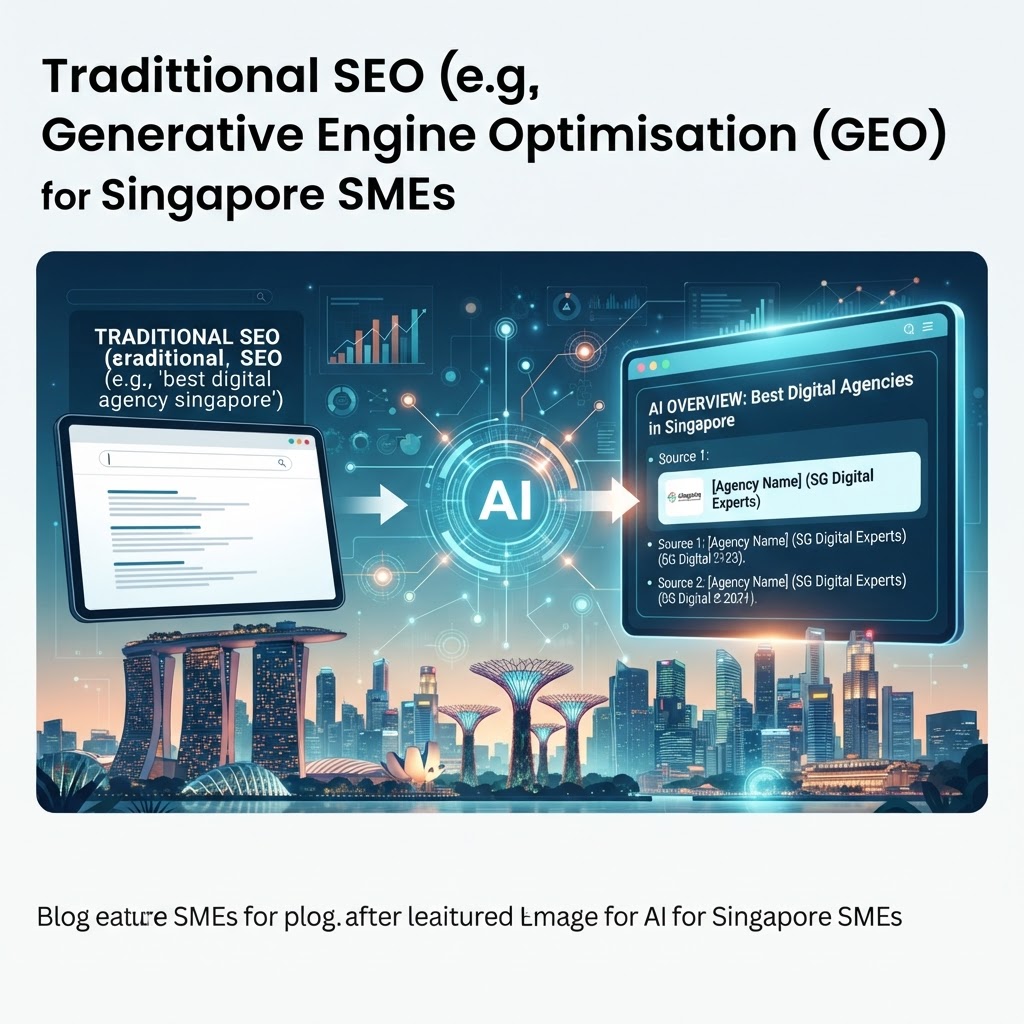
What is the primary difference between traditional SEO and GEO? Traditional SEO focuses on achieving high rankings for specific keywords, while GEO prioritises being cited as a trustworthy, foundational source within AI-generated responses.
Do I need to abandon my current SEO strategy? No, you should refine it. Continue to create high-quality content but structure it better and focus on answering specific user questions that AI models are likely to be asked.
How can schema markup help my GEO efforts? Schema markup provides a standardised format for search engines and AI to understand your data, making it much easier for them to identify your business as an authority and cite you.
Are AI tools replacing traditional search engines? AI tools are augmenting search by providing immediate answers, but they still rely on your website as the primary data source, making your site’s quality more important than ever.
How can I get started with a PSG-supported website refresh? You can contact our team to discuss your current site’s performance and determine if your project qualifies for PSG funding, which can subsidise up to 50% of the costs for approved digital solutions.