Generative Engine Optimization: A Singapore SME Guide to Staying Visible in 2026
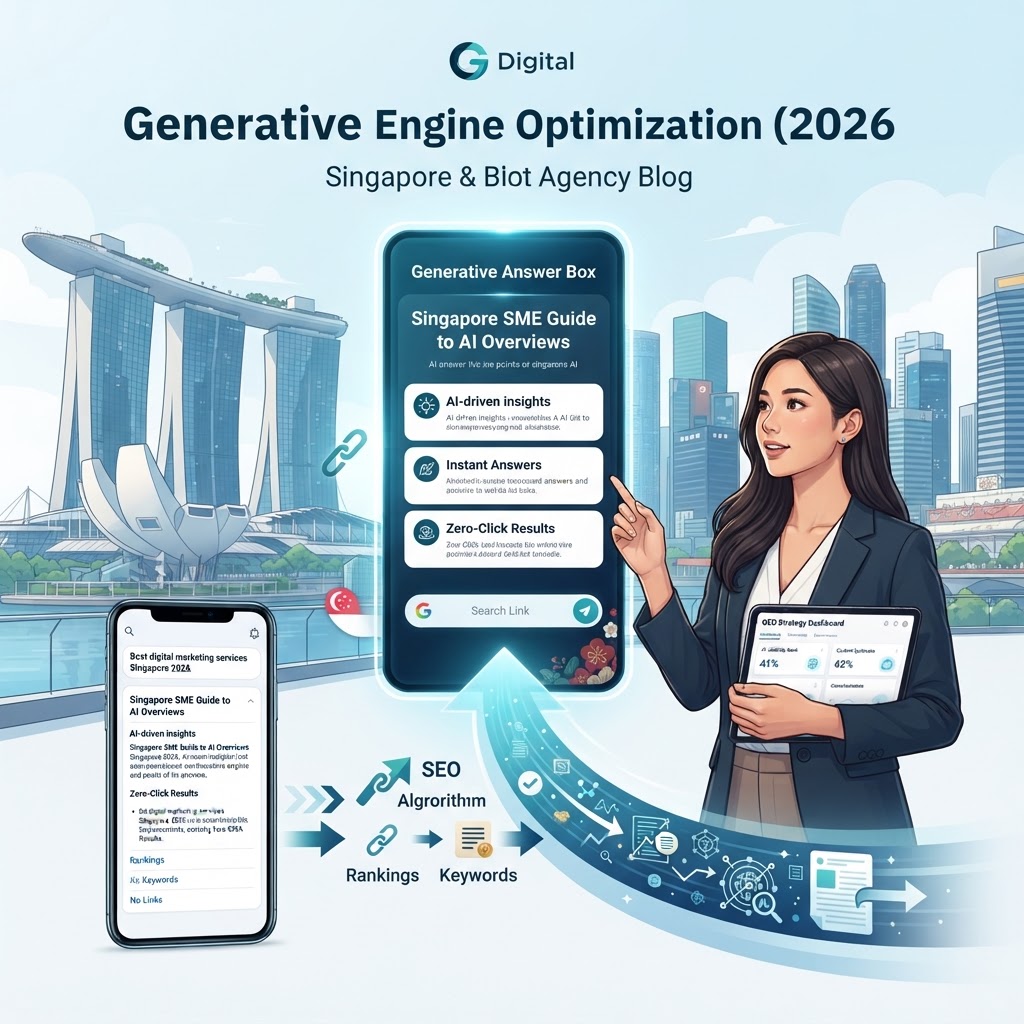
For Singaporean small and medium-sized enterprises, the digital landscape has evolved rapidly. In 2026, search behavior is shifting toward AI-generated summaries and conversational agents, making it critical for businesses to adapt their digital strategies. This transition toward a zero-click environment means that traditional SEO is no longer sufficient; instead, businesses must master Generative Engine Optimization. This approach prioritizes building semantic authority and machine-readable content that AI systems can process and present directly to users. As search engines focus more on delivering immediate, synthesized answers, your website must function as a trusted source of factual, structured data rather than just a collection of keywords. At iPro Dezign, our team has observed that SMEs which proactively adjust their technical architecture and content delivery perform better in this new ecosystem. Understanding how conversational agents interpret your business information is the first step toward maintaining online visibility. Whether you are leveraging PSG grants to modernise your site or refining your existing digital footprint, positioning your brand for this AI-driven future is essential for sustained growth and relevance in the competitive Singaporean market.
Table of Contents
Understanding the Shift to Generative Engine Optimization
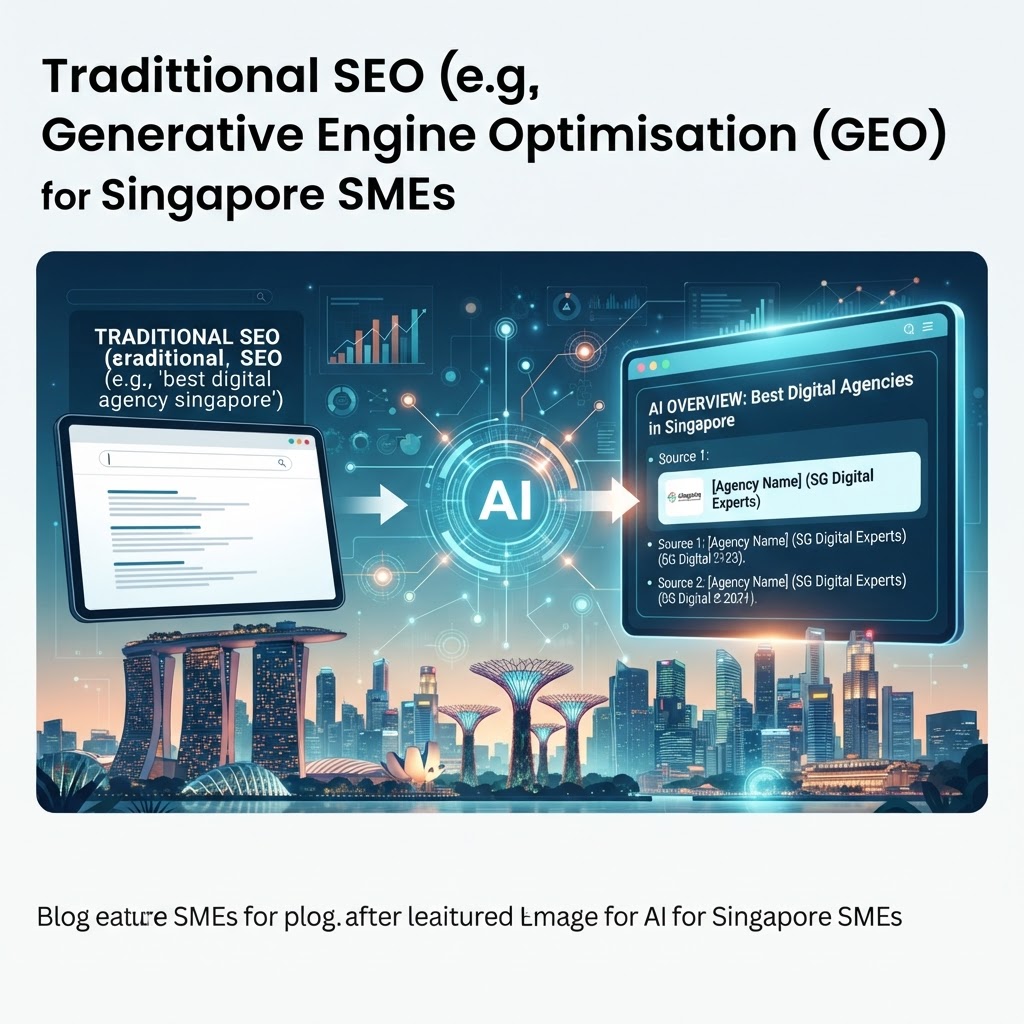
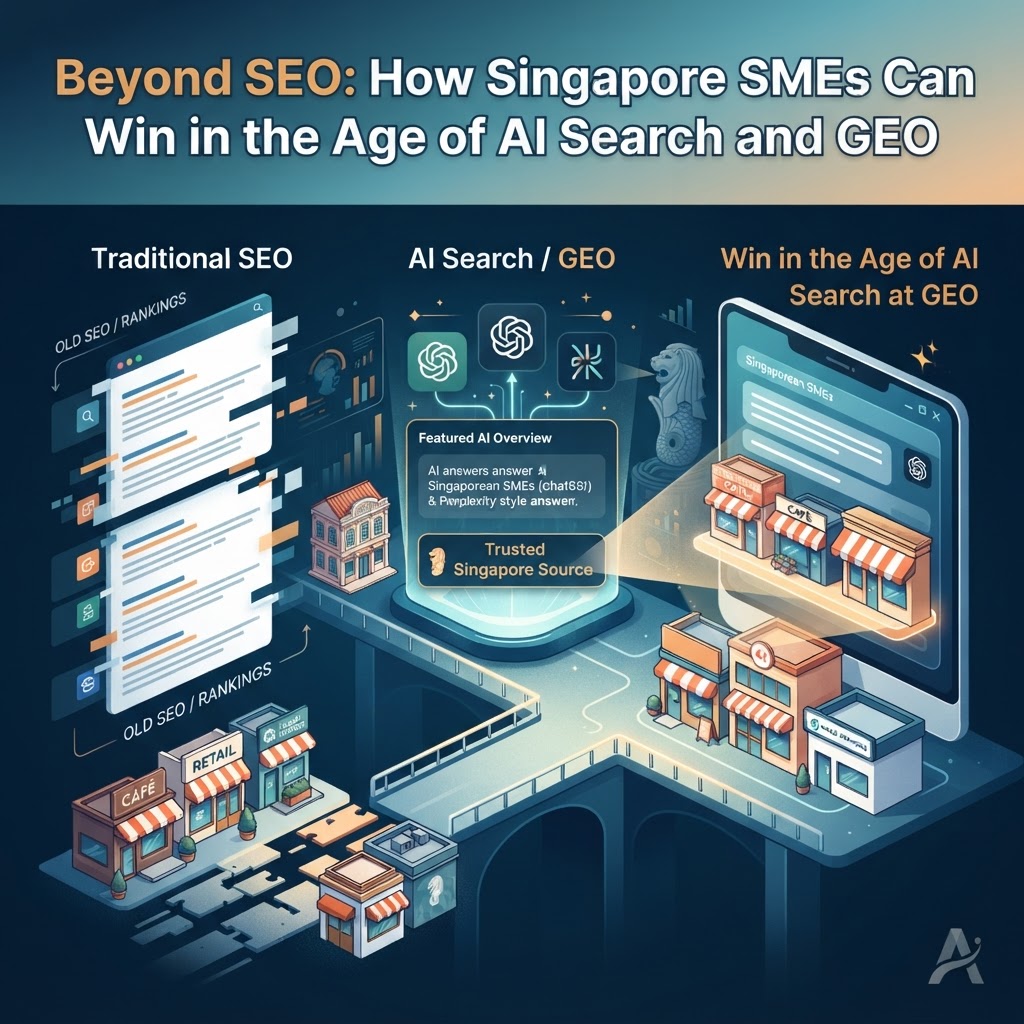
Generative Engine Optimization represents a fundamental change in how Singaporean SMEs approach their digital visibility. Traditional search engine optimization focuses on securing blue links to drive website traffic, but the emergence of generative AI search tools prioritizes delivering precise, synthesised answers directly on the results page. This paradigm shift means users are spending more time within the search interface itself rather than clicking through to external websites. For an SME, this can feel like a loss of potential traffic, yet it offers a significant opportunity to become the primary authority cited by AI models. To succeed, businesses must move away from keyword stuffing and toward comprehensive, expert-led content that answers specific user queries thoroughly. Our team encourages clients to view their web content as a knowledge base. If your website provides structured, high-quality information that AI models find reliable, your brand is more likely to be featured in the summary snapshots that define modern search results. This process requires a consistent focus on accuracy and relevance, particularly regarding local Singaporean context, industry trends, and business services. When AI agents curate information, they look for consensus and expertise. By establishing your company as a reliable entity in your niche, you can secure better placement within these AI-generated responses. It is important to note that visibility in generative search is not about manipulation; it is about providing clear, concise, and structured data that is easy for algorithms to parse. As we navigate 2026, those businesses that invest in creating content that directly answers customer pain points will find themselves better positioned to maintain their digital presence regardless of how search algorithms evolve. The goal is to build long-term trust with both human readers and machine evaluators, ensuring your SME remains a prominent voice in your industry.
Building Semantic Authority for AI Discoverability
Semantic authority is the foundation of visibility in an era dominated by generative AI. It refers to the depth and breadth of your expertise within a specific subject matter, as perceived by search algorithms through the connections between your content topics. Unlike surface-level blogging, building semantic authority requires a deliberate structure that links your services, industry insights, and local Singaporean market knowledge into a coherent narrative. AI models evaluate this network of information to determine if a website is a comprehensive resource for specific topics. For example, if your agency provides digital solutions, your content should not only explain the services but also delve into technical nuances, case studies, and industry challenges. By using internal linking strategies to connect related articles, you signal to AI agents that your site is an interconnected hub of knowledge rather than a series of isolated pages. This strategy requires a consistent publishing cadence and a commitment to updating older content to reflect current trends and data. Our team works with businesses to map out content pillars that align with their core expertise, ensuring that every piece of writing contributes to the broader narrative of authority. Machine-readable content is equally important; this means using schema markup, which is a type of code that tells search engines exactly what your content is about, such as your business location, service prices, or customer reviews. When AI systems can read your business details with precision, they are much more likely to pull that information into their summaries. Providing consistent, accurate information across your website, Google Business Profile, and local directories further strengthens your entity profile. Ultimately, semantic authority is about demonstrating that your SME is the go-to expert in your field, making it the most logical choice for AI agents to reference when providing answers to potential customers in Singapore.
Strengthening Technical Foundations and Structure
The technical performance of your website is no longer just about user experience; it is about accessibility for AI agents. In 2026, search bots and AI crawlers prioritize websites that load quickly and are structured logically. Core Web Vitals, which measure loading speed, interactivity, and visual stability, serve as a proxy for site quality. A site that performs well in these metrics is generally considered a higher-quality resource by both users and algorithms. For Singaporean SMEs, optimizing for mobile-first users is non-negotiable. With a high percentage of local traffic coming from smartphones, your site must provide a seamless mobile experience. This involves minimizing unnecessary code, compressing large media files, and ensuring that your hosting environment is robust and secure. Additionally, implementing a headless CMS or a modern, lightweight web framework can significantly improve load times by separating content management from the front-end display. This modular approach allows for faster updates and better performance, which is exactly what modern search engines demand. Another critical component is the use of structured data or Schema.org markup. This code provides a machine-readable format that explicitly labels your content elements, such as price ranges, product availability, and service areas. By using structured data, you help AI models avoid confusion, ensuring they present your business information correctly. The following table highlights the essential technical areas where SMEs should focus their efforts to improve machine readability and overall site performance:
| Technical Metric | Objective for SMEs | Impact on Visibility |
|---|---|---|
| Core Web Vitals | Reduce LCP to under 2.5s | Improves ranking and bot trust |
| Mobile Responsiveness | Eliminate horizontal scrolling | Crucial for local Singapore traffic |
| Structured Data | Implement Product & LocalBusiness schema | Increases chances for rich results |
| Site Security | Enforce HTTPS and PDPA compliance | Builds trust with users and crawlers |
By focusing on these technical aspects, you create a solid framework that supports your content goals. A fast, secure, and well-structured website is a competitive advantage that directly influences how effectively your SME interacts with the next generation of generative search tools.
From Search Traffic to Conversational Conversion
Transitioning to an AI-first search environment requires a shift in how we approach conversions. When your business is featured in an AI summary, the user may arrive on your site with a high level of intent but less time to browse. Consequently, your landing pages must be optimized for immediate conversion. This means clear, concise calls to action, prominent contact information, and simplified user journeys that lead directly to an enquiry or a booking. Since users are increasingly interacting with chatbots on your site, integrating AI-driven customer service tools can bridge the gap between initial search and final sale. These conversational interfaces provide a more personalized experience, allowing visitors to ask specific questions about your services or your eligibility for the PSG grant. By training these chatbots on your own high-quality content, you ensure that they provide consistent and helpful answers, reflecting your brand voice perfectly. Furthermore, focusing on data collection and user feedback allows you to refine your conversion tactics continuously. In the Singaporean context, building trust is paramount. Showcase your local expertise, mention your adherence to data privacy standards, and highlight the practical outcomes of your services. A website that effectively facilitates a conversation is a valuable asset in a world where search is becoming increasingly transactional. We recommend conducting regular audits of your conversion pathways to identify any friction points that might discourage potential clients. Whether it is a lengthy form or a lack of clear service descriptions, these minor issues can result in lost opportunities. By prioritizing a seamless, helpful, and responsive digital experience, your SME can turn AI-driven traffic into long-term business relationships. As you evaluate your current setup, consider how a professional rebuild or a targeted optimization strategy could better support your growth objectives. We are always available to discuss how these strategies can be tailored to your specific market needs, ensuring that your digital assets work as hard as you do to secure new enquiries and drive meaningful ROI in the current year.
Staying ahead in 2026 requires a proactive stance toward the evolution of digital search. By embracing Generative Engine Optimization, you move beyond the limitations of traditional tactics and position your business for success in an AI-integrated marketplace. Success is not about chasing algorithm updates; it is about building a foundation of authority, technical excellence, and user-focused content that remains relevant regardless of the platform. At iPro Dezign, we specialise in helping Singapore SMEs navigate these transitions through practical, results-oriented solutions. From technical rebuilds to comprehensive content strategies, we ensure your brand remains visible and trustworthy. If you are ready to modernize your online presence and leverage PSG funding to grow your business, reach out for a consultation. Our team is always a call away to help you evaluate your current digital footprint and develop a pathway to sustainable growth.
Frequently Asked Questions
- What is Generative Engine Optimization? It is the practice of optimizing content to be understood and cited by AI-powered search engines, focusing on structure, semantic authority, and factual clarity.
- How does this affect my SME’s existing SEO? It shifts the focus from purely driving clicks to establishing your brand as a reliable source of information that AI models reference in their summaries.
- Can I use PSG grants for website optimization? Yes, many local web projects and digital marketing initiatives qualify for support under the Productivity Solutions Grant; consult with us to verify your eligibility.
- Why is structured data important for AI search? Structured data helps search engines accurately parse your business details, ensuring your services, location, and pricing are correctly presented in AI-generated answers.
- How do I start preparing my site for 2026? Begin by auditing your site speed, ensuring mobile responsiveness, and building out a content strategy that establishes deep authority in your specific service niche.