The new baseline: what 2026 demands from agency websites
Singapore’s digital landscape has evolved rapidly. By 2026, clients expect websites that combine flawless performance, brand-led experiences, and measurable marketing outcomes. For a digital marketing agency, web design is no longer just visual craft — it’s the front line of conversion, data capture, and integrated campaign delivery.
Agencies seeking to win in this environment must understand modern UX patterns, technical SEO, privacy-aware data practices, and the role of automation. Local demand for strong search presence makes investing in high-quality web design singapore more than a creative decision — it’s a business imperative.
Design trends shaping Singapore web design in 2026
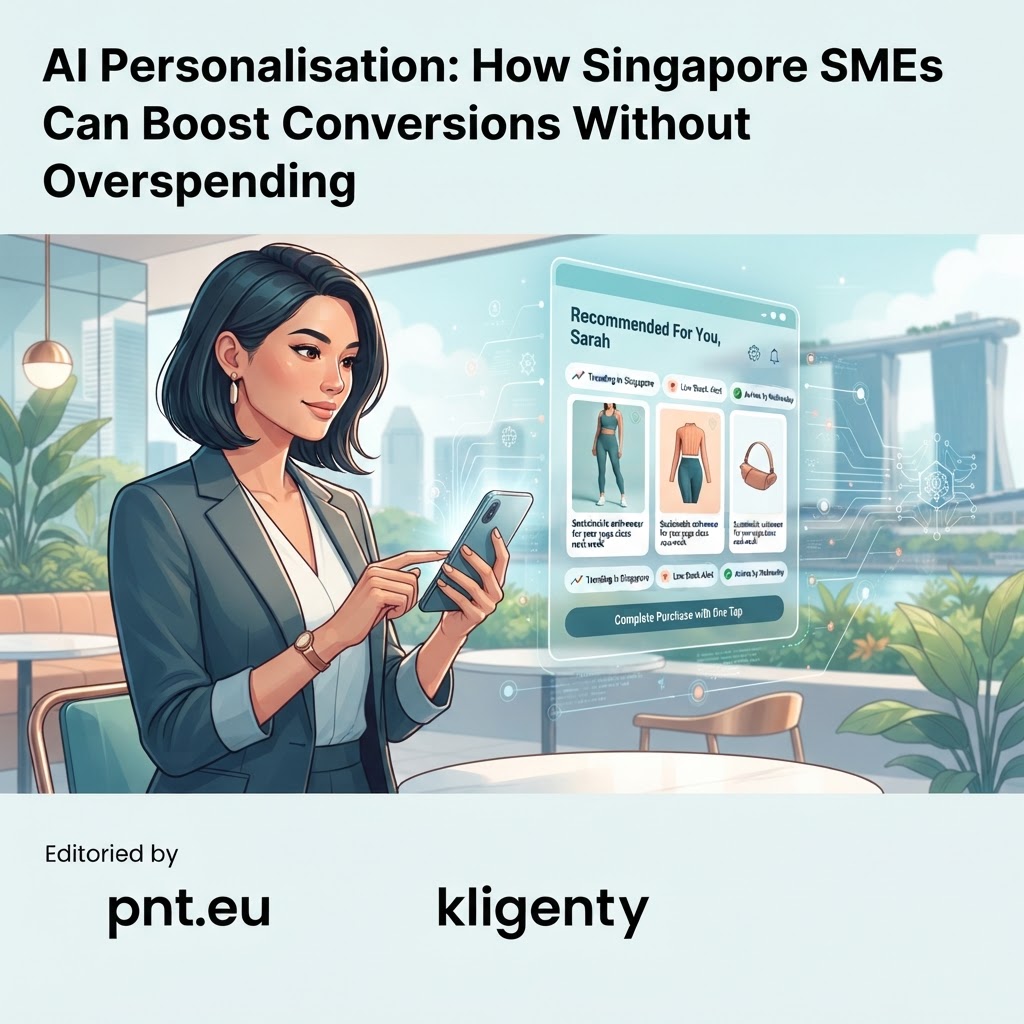
- Personalised, AI-driven interfaces: AI models enable dynamic content and micro-personalisation based on intent signals without sacrificing privacy.
- Motion and micro-interactions: Subtle motion helps guide users along conversion paths while improving perceived speed.
- Minimalist, accessibility-first layouts: Clarity and inclusivity are now expected, improving conversions and widening audience reach.
- Dark mode and system-aware themes: Support for OS-level themes enhances brand perception, particularly for tech-savvy Singaporean consumers.
- Inclusive localisation: Singapore’s multilingual market (English, Mandarin, Malay, Tamil) requires flexible content strategies and language-first UX.
Each trend should be evaluated against measurable outcomes: bounce rate, time to first meaningful paint, form completion, and lifetime value. Integrating these trends in a performance-first way separates effective agencies from those that only chase aesthetics.
Technical foundations agencies must get right
- Core Web Vitals and server performance: Prioritise LCP, FID/INP, and CLS. Use optimized images, edge CDNs, and server-side rendering or pre-rendering where necessary.
- Headless and composable architectures: A headless CMS lets marketing teams publish fast while decoupling front-end innovation. It also supports omnichannel delivery for campaigns.
- Progressive Web Apps (PWAs): PWAs improve mobile engagement through faster loads, offline capability, and app-like interactions without forcing app installs.
- Accessibility and compliance: Adhere to WCAG 2.1 AA standards to reduce risk and expand reach.
- Privacy-first analytics: Use cookieless measurement and consent-first tag management to comply with PDPA and global privacy norms.
Implementing these foundations should be part of any pitch for digital marketing agency singapore clients — it clarifies capability and builds trust.
SEO and content strategy for 2026
Search is still king in Singapore, but it’s more nuanced. Technical SEO and content experience must work together:
– Intent-led content clusters: Build topic hubs that match high-value search intents and link to specific service pages.
– Structured data and rich snippets: Use schema for services, reviews, FAQs, and events to improve SERP real estate.
– Local SEO and NAP consistency: For agencies with physical offices or client locations, accurate local signals boost discoverability.
– Optimised performance for mobile-first indexing: Mobile UX must be prioritised; slow mobile pages can negate great content.
When discussing proposals, point clients to examples of strong web design singapore projects that demonstrate content-led growth and technical SEO alignment.
UX workflows and collaborative tools
Agencies must tighten collaboration between strategy, design, and development:
– Design systems and component libraries: Consistent, reusable components accelerate delivery and improve maintenance.
– Rapid prototyping with live data: Use prototypes connected to real datasets to validate assumptions early.
– Integrated analytics during QA: Instrument pages early so stakeholders can validate hypotheses from day one.
– Cross-functional sprint rituals: Daily integration tests between marketing campaigns and dev deployments prevent surprises during launches.
A modern workflow reduces rework and supports iterative optimisation — a core differentiator for any digital marketing agency singapore.
Tools and platforms to prioritise
- Headless CMS (e.g., Strapi, Contentful, Sanity) for editorial agility.
- Edge CDNs (e.g., Cloudflare Workers, Fastly) for global low-latency delivery.
- Conversion optimisation suites and server-side AB testing for accurate tests without client-side bloat.
- Privacy-compatible analytics (server-side Google Analytics 4 setups, privacy-first alternatives) and consent management.
- Design and prototyping tools that connect to code (Figma + design system tokens).
Selecting the right stack depends on client scale, budget, and required integrations. Emphasis should always be on measurable outcomes and iterative improvements.
Measurement: KPIs that matter
Beyond visits and impressions, agencies need KPIs that show business impact:
– Conversion rate by intent segment (organic, paid, referral).
– Time to meaningful engagement (first sign-up, demo request, add-to-cart).
– Cost per acquisition (CPA) tied to landing page variants.
– Revenue per visitor and customer LTV uplift from UX improvements.
– Accessibility score improvements and error reduction metrics.
Create dashboards that tie UX changes to financial outcomes to justify further investment in design and development.
Case approach: packaging services for Singapore clients
Packages that resonate in 2026 combine technical solidity with growth outcomes:
1. Foundations Pack: Core Web Vitals audit, accessibility baseline, and headless CMS setup. Great for mid-sized businesses.
2. Growth Pack: Landing page factory, AB testing, and content cluster SEO. Ideal for performance-driven campaigns.
3. Enterprise Pack: Custom integrations, API orchestration, and data governance for large enterprises and multi-market rollouts.
Each package should emphasise clear deliverables, time-to-value, and measurable outcomes. Reference case studies and past wins, and include examples of recent Singapore-centric projects from web design singapore portfolios.
Talent and hiring considerations for agencies
Skills priorities for web teams in 2026:
– Front-end engineers fluent with modern frameworks and performance optimisation.
– UX writers and content strategists experienced in localisation and intent mapping.
– Data engineers or analytics specialists who can implement server-side tracking and measurement.
– Accessibility specialists to bake inclusivity into delivery.
Many agencies will supplement in-house teams with specialist partners to handle spikes in demand or technical gaps.
Actionable checklist for agencies now
- Run a Core Web Vitals and accessibility audit this quarter.
- Migrate slow critical pages to a headless or server-side rendering setup.
- Implement consent-first analytics and map GDPR/PDPA implications for clients.
- Build or refine a design system and component library.
- Create a performance-first landing page process tied to AB tests and revenue KPIs.
A concise checklist helps shift conversations from creative output to revenue-driving outcomes and establishes a clear roadmap for prospects and clients.
Final takeaway
In 2026, successful digital marketing agencies in Singapore will treat web design as a strategic growth lever: a blend of performance engineering, SEO-aligned content, accessible UX, and measurable campaign integration. Agencies that align design with analytics, invest in modern architectures, and articulate clear ROI on web projects will win market share and client trust. Delivering that combination consistently turns a website from a brochure into a central business asset.