AI-Native SEO: How Singapore SMEs Can Build Entity Authority in 2026
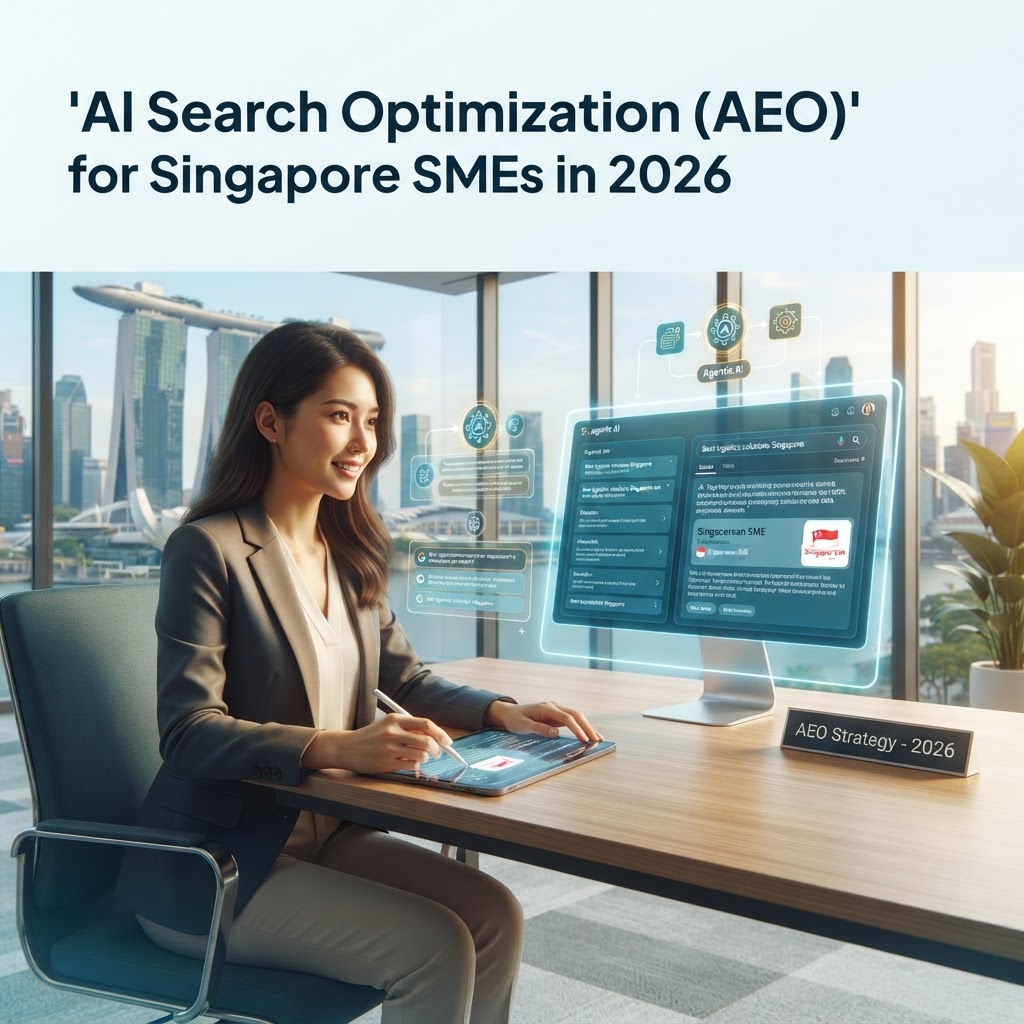
The digital landscape for Singaporean businesses has undergone a seismic shift. In 2026, the traditional practice of stuffing keywords into website pages is no longer effective. Instead, search engines now function as intelligent engines that prioritize entity authority. For local SMEs, this means transitioning to an AI-Native SEO approach. Rather than writing for a crawler that looks for specific strings of text, you are now effectively building a digital knowledge base that AI agents can cite in conversational search results. Whether you operate a retail shop or a B2B consultancy, your website must be structured to answer complex user queries with precision. At iPro Dezign, we assist our partners in navigating this transition by focusing on technical excellence and high-quality data architecture. By aligning your business with the way modern AI interprets information, you position your brand to remain visible when customers ask AI tools for recommendations. In this guide, we explore the essential pillars of building entity authority, ensuring your Singaporean business remains competitive in an increasingly automated and AI-driven marketplace.
Table of Contents
- Understanding the Shift Toward Entity Authority
- Technical Foundation for AI-Native SEO
- Content Strategies That Build Trust and Relevance
- Optimizing for Local Singaporean Search Dynamics
- Frequently Asked Questions
Understanding the Shift Toward Entity Authority
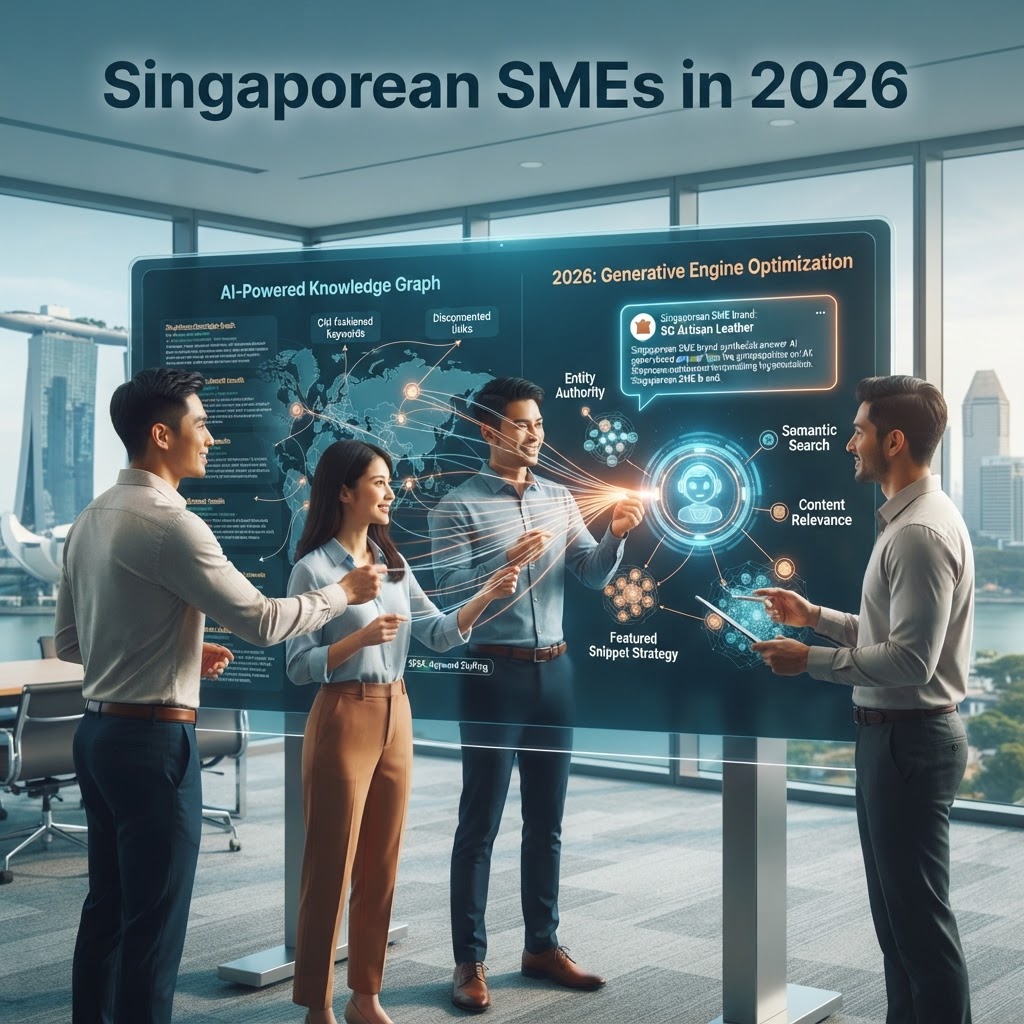
In the past, SEO was largely a numbers game focused on backlink volume and keyword density. Today, the core objective is entity authority, which refers to how well a search engine understands your brand as a legitimate, reliable, and expert subject matter in your specific industry. Search engines have evolved from mere directories into answer engines that attempt to provide a factual, synthesized response to a user prompt without the user needing to leave the search interface. When an AI agent provides a summary about a topic, it pulls from established entities. If your Singaporean business is properly mapped as an entity, your company’s information becomes part of that trusted knowledge pool. Building this authority requires a shift in mindset from targeting individual search terms to defining your brand’s unique place in the professional ecosystem. This involves creating consistent signals across your digital footprint, ensuring that your website, your business directory profiles, and your social media channels tell a uniform story about who you are, what services you provide, and why you are the expert in your specific niche. By clearly defining your business operations through structured data, you allow machines to easily ingest your information. When the AI understands exactly what you do—such as being a specialist provider of IT support or a boutique eCommerce retailer—you increase the chances of being featured in AI-powered search snapshots. This process is not a shortcut but a foundational shift in how you structure the entirety of your digital presence. By acting as a reliable source of truth, your brand becomes the default reference point for AI systems, which translates into sustained long-term visibility within the evolving search landscape.
Technical Foundation for AI-Native SEO
For any Singapore SME looking to compete, the technical foundation of the website serves as the bedrock for AI-Native SEO success. You cannot expect modern AI to understand your value if your website suffers from poor performance, broken navigation, or confusing site architecture. The first step involves implementing schema markup, which is code that acts as a language for search engines. By using specific types of schema, such as Organization, Product, or LocalBusiness, you essentially provide a roadmap to the AI. This schema tells the search engine your exact location in Singapore, your operating hours, your official website URL, and the services you offer. Without this, your site remains a collection of unstructured HTML tags that are much harder for AI algorithms to categorize accurately. Furthermore, performance matters significantly. Search engines prioritize websites that offer a fast, seamless experience, often measured by metrics known as Core Web Vitals. These metrics track how quickly a page loads, how stable the content is during the loading process, and how soon a user can interact with the site. A slow-loading site is not just a nuisance to visitors; it is a sign of poor quality that search engines now penalize more heavily. When we redesign sites for our clients at iPro Dezign, we prioritize clean, lightweight coding practices that ensure lightning-fast performance across mobile and desktop devices. The following table summarizes how modern technical standards impact your visibility in search results compared to outdated approaches that no longer yield strong results for businesses.
| Technical Element | Outdated Approach | AI-Native Strategy |
|---|---|---|
| Site Architecture | Flat pages with no structure | Hierarchical content mapping |
| Data Formatting | Plain text descriptions | Comprehensive Schema Markup |
| Page Load Speed | Excessive plugins and heavy code | Performance-first clean builds |
| Mobile Experience | Responsive but cluttered | Mobile-first intent optimization |
Beyond standard speed, you must ensure your content is easily crawlable. A well-organized site map, consistent URL structure, and compliance with the Personal Data Protection Act (PDPA) create an environment of trust. When your site is secure, performant, and logically structured, AI models spend less time struggling to understand your intent and more time indexing your expertise, which is the ultimate goal of effective AI-Native SEO.
Content Strategies That Build Trust and Relevance
Content is no longer about hitting a keyword count; it is about establishing topical authority. To succeed in an era of AI search, your content must be depth-focused and genuinely helpful. AI agents are trained to evaluate the quality of information by cross-referencing it with other authoritative sources. If your website provides shallow, generic articles that only exist to target a single search term, you will find it difficult to gain visibility. Instead, your content strategy should focus on answering the actual problems your customers face. For example, if you run a home renovation business in Singapore, do not just write about renovation tips. Create detailed, comprehensive guides on navigating Singaporean construction regulations, understanding material costs in SGD, and managing projects within the context of local HDB or private estate requirements. This demonstrates true expertise. When your content consistently answers questions in a clear, authoritative tone, it builds the trust required to be cited by AI systems. Additionally, you should leverage E-E-A-T principles: Experience, Expertise, Authoritativeness, and Trustworthiness. AI models look for clear evidence that your content was created by knowledgeable people. This includes linking to external sources of authority, maintaining a professional and consistent tone, and providing transparent information about your business operations. Avoid the temptation to use AI to generate massive volumes of low-quality content, as this often leads to a diluted brand message. Instead, use AI as a research tool to understand the nuances of your industry, and then let your human team refine that content to ensure it captures the specific cultural and local insights that a machine might miss. By focusing on deep, actionable, and human-centric content, you solidify your role as the go-to authority in your market, making it much easier for AI agents to view you as a reliable source of information for their users.
Optimizing for Local Singaporean Search Dynamics
Local SEO is more critical than ever for Singaporean SMEs. While the internet is global, the needs of your local customers are highly specific. An AI-Native SEO strategy for a Singapore business must account for local search intent, language nuances, and the regional context of the digital market. Your Google Business Profile is a primary entity signal. It must be perfectly updated with accurate information, high-quality images, and a consistent history of client reviews. When a user asks an AI, “What is the best digital agency in Singapore?” the response is heavily influenced by local signals, including your physical location, the sentiment of your reviews, and your overall digital prominence. Furthermore, you should embrace the support available through the Singapore government. Many SMEs can leverage the Productivity Solutions Grant (PSG) to offset the costs of building a high-performing website. This is a strategic advantage, as it allows you to invest in professional, performance-first web design while receiving up to 50% funding. By partnering with an agency that understands the PSG application process, you ensure that your site is built with both SEO excellence and government grant compliance in mind. Another local factor is the mobile-first nature of Singaporean consumers. With a high penetration rate of mobile devices, your site must provide an impeccable experience on small screens. Navigation, calls to action, and contact forms should be optimized specifically for thumb-based interaction. When you align your technical SEO with local business requirements, you don’t just improve your search rankings; you improve your conversion rates. Remember that being an entity is about being a useful part of the community. Respond to reviews, participate in local industry discussions, and ensure your NAP (Name, Address, Phone number) data is identical across every platform where your business appears. This consistency is the glue that holds your entity authority together in the eyes of local search algorithms.
Building a future-proof presence is a marathon, not a sprint. By focusing on entity authority, leveraging local grants, and ensuring technical excellence, you position your Singaporean SME for success in 2026 and beyond. If you are ready to build a more visible, authoritative digital footprint, we are here to help. Reach out to our team at iPro Dezign today for a consultation. Whether you are interested in a website rebuild or a targeted SEO strategy, we offer the technical expertise and local experience required to guide you. Let us help you navigate the complexities of AI-Native SEO so you can focus on growing your business. Contact us to discuss your goals and check your eligibility for PSG funding support. We look forward to partnering with you on your digital transformation journey.
Frequently Asked Questions
What exactly is AI-Native SEO? It is the practice of structuring your website’s data and content to be understood and cited by AI-powered search engines, shifting away from outdated keyword-stuffing tactics.
How can I use PSG funding for SEO? The Productivity Solutions Grant supports digital solutions like website development and CRM systems. We help you implement performance-based websites that qualify for these grants.
Why is schema markup important for Singapore SMEs? Schema markup provides a machine-readable code that helps search engines identify your business details, such as location and services, which increases visibility in AI-generated search snapshots.
Do I need to change my entire website to keep up with AI? Not necessarily, but you may need to improve your site’s technical structure, page speed, and content depth to meet modern standards and improve your entity authority.
How do I start building entity authority today? Begin by auditing your online business profiles for consistency, implementing structured data on your website, and producing high-quality content that answers specific customer queries in your local market.