AI-Native Digital Marketing: A 2026 Strategy Guide for Singapore SMEs
As we navigate 2026, the digital landscape for Singaporean businesses has matured beyond the initial excitement of generative AI. For SME owners, the current challenge is moving away from basic AI prompts toward building AI-native workflows that solve real business problems. Whether you are looking for a professional digital marketing agency Singapore to handle your transition or managing your efforts in-house, the objective remains clear: driving measurable return on investment while maintaining lean operations. This guide explores how your business can leverage automation to sharpen SEO intent-matching, personalise customer journeys, and optimise ad spend. In a competitive market like Singapore, where consumer expectations for mobile-first, instant experiences are at an all-time high, adopting an AI-native approach is no longer a luxury but a necessity for sustainable growth. We will examine how to integrate these advanced tools into your existing marketing stack while ensuring full compliance with local Personal Data Protection Act regulations. By focusing on data-driven decisions rather than guesswork, you can transform your digital presence into a consistent engine for leads and sales, making the most of available resources like the Productivity Solutions Grant.
Table of Contents
The Shift to AI-Native Workflows
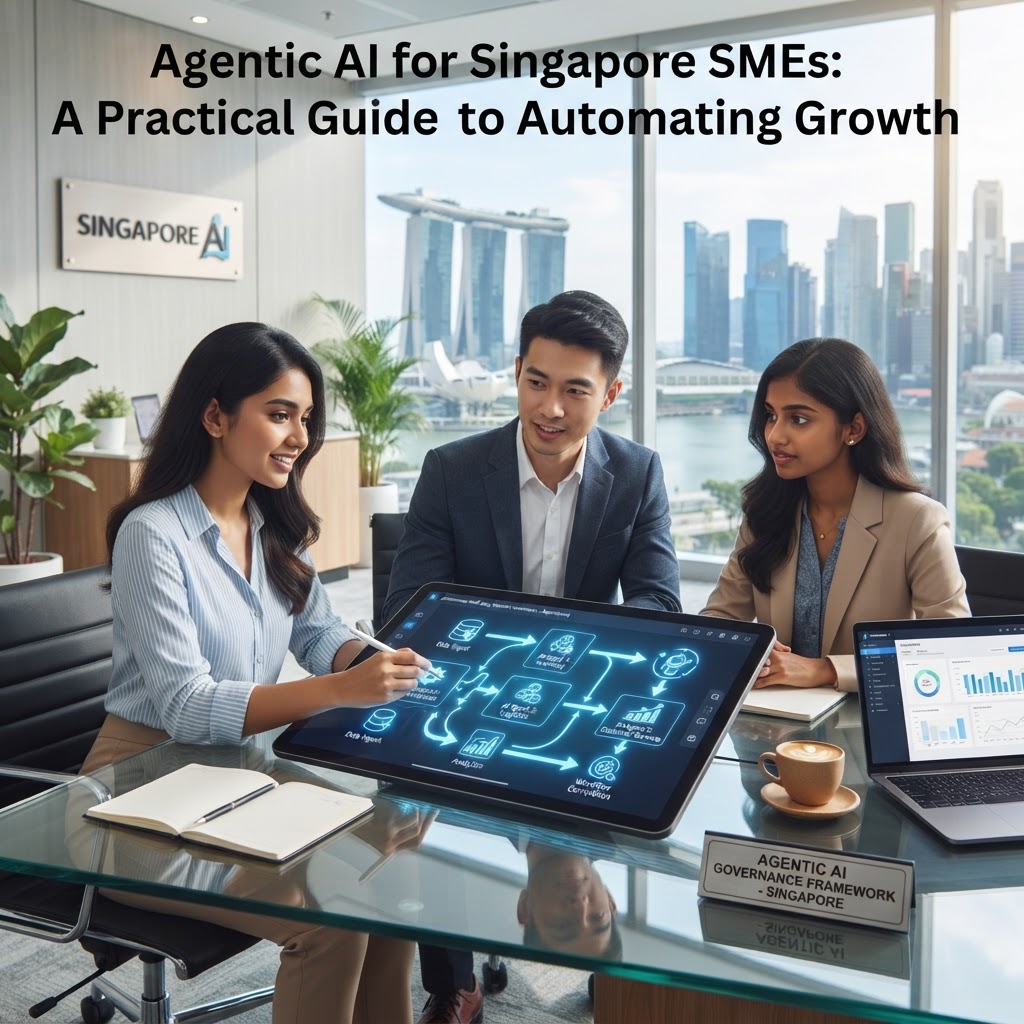
The traditional digital marketing model often relied on manual oversight for every campaign tweak, which is inherently inefficient for growing SMEs. An AI-native workflow represents a fundamental change in how your team approaches marketing operations. Instead of using AI merely for drafting social media captions, you should aim to build systems where data flows autonomously between your website, your CRM, and your advertising platforms. For instance, an AI-native setup can automatically adjust your ad bidding strategies based on real-time inventory levels or current stock alerts, ensuring that your budget is never wasted on products that are currently out of reach for customers. This level of automation allows your internal team to step back from mundane reporting tasks and focus on high-level strategy and creative development. Our team frequently helps local businesses transition from fragmented, manual setups to unified systems that talk to each other. By implementing an AI-centric architecture, you reduce the risk of human error in campaign management and ensure that your brand voice remains consistent across all touchpoints. Furthermore, in the Singaporean context, this helps in managing multi-channel campaigns more effectively. You are no longer just looking at a dashboard once a week; you are empowering your digital infrastructure to respond to customer demand as it happens. This transition requires a mindset shift from task-based work to systems-based work. While the initial setup requires careful mapping of your customer journey and data pipelines, the long-term payoff is a more resilient business that can handle market fluctuations with ease. We recommend starting with one core function—such as lead routing or content distribution—and scaling your AI integration from there to maintain operational stability and focus.
Optimising SEO with Predictive Intent
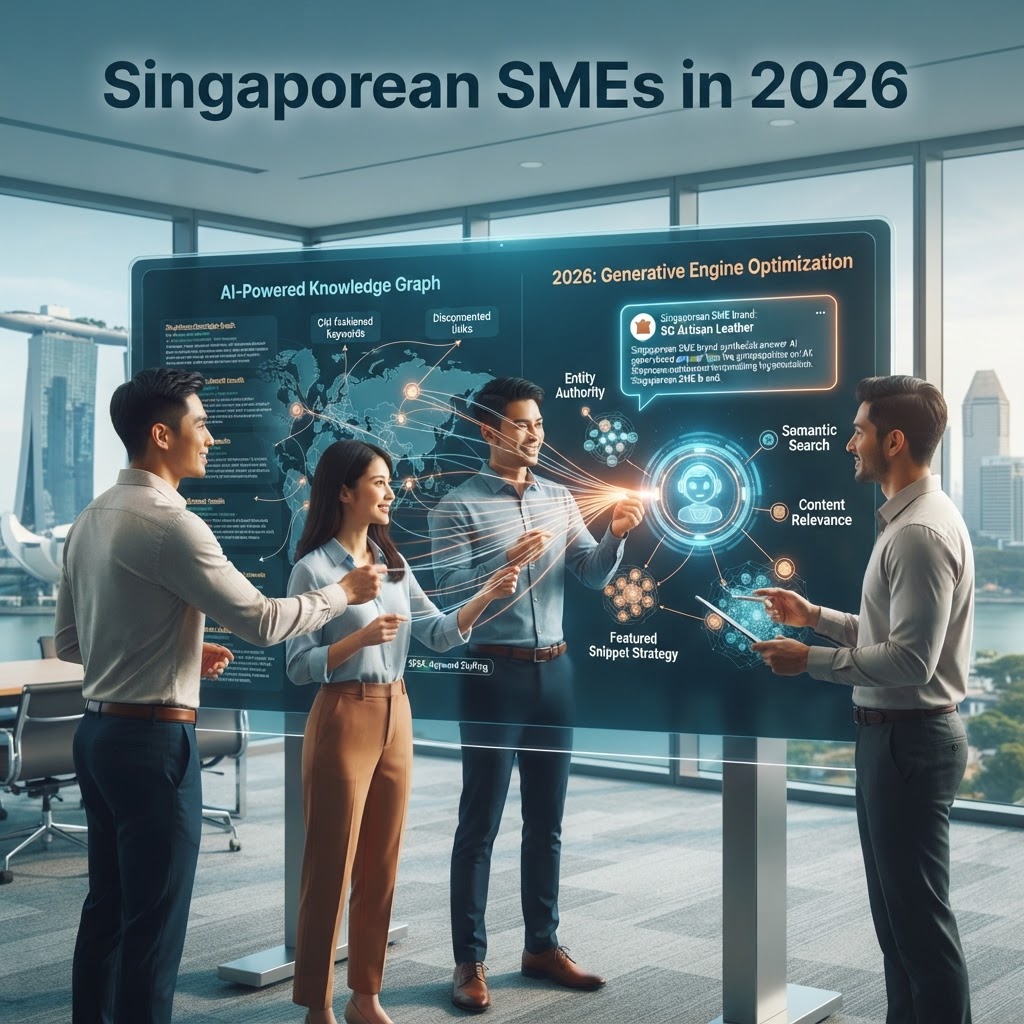
Search Engine Optimisation has evolved significantly from the days of simple keyword stuffing and backlink building. Today, Google and other major search engines prioritise user intent—the actual problem the user is trying to solve when they type a query into the search bar. AI-native SEO tools now allow us to analyse search intent at scale by processing millions of data points to identify exactly what your potential customers are looking for at different stages of the buying cycle. When you engage a digital marketing agency Singapore, ensure they are using these predictive analytics to shape your content strategy rather than just chasing high-volume, low-conversion keywords. By mapping content to the specific informational or transactional needs of your target audience, you can capture higher-quality traffic that is more likely to convert. For example, if your SME offers specialized logistics, predictive intent modelling can reveal that your prospects are searching for solutions related to customs clearance in specific regions rather than just generic logistics terms. Creating content that addresses these specific pain points positions your brand as a helpful authority. Additionally, Core Web Vitals—the metrics measuring how fast and stable a page loads—remain critical. AI tools can now automatically monitor these vitals and suggest real-time optimisations for your site architecture. This technical vigilance ensures that your site is not only providing value through content but also through a seamless user experience. The following table highlights the difference between traditional SEO and AI-driven predictive SEO strategies that we implement to help SMEs stay competitive in the local market landscape.
| Metric | Traditional SEO Approach | AI-Native Predictive SEO |
|---|---|---|
| Keyword Focus | Broad, high-volume terms | High-intent, long-tail problem solving |
| Content Updates | Monthly manual reviews | Real-time adjustments based on search trends |
| Technical Health | Periodic audits | Continuous, automated monitoring and fixing |
| Conversion Focus | Traffic volume | Predictive lead quality and conversion pathing |
By leveraging these advanced methods, your business can build a robust foundation that supports long-term visibility without the need for constant, reactive adjustments that often lead to inconsistent performance results over time.
Personalisation at Scale for APAC Customers
In the APAC region, consumers in cities like Singapore have incredibly high standards for digital interactions. They value speed, convenience, and content that feels personally relevant to their immediate needs. Personalisation at scale is the practice of delivering tailored experiences to thousands of visitors simultaneously, which was once only possible for large enterprises with massive budgets. Today, AI-native platforms allow SMEs to dynamically change website headlines, product recommendations, and email sequences based on the specific behavioural data of each user. Imagine a customer visits your site to look at industrial office furniture; the next time they return, the homepage highlights those specific items along with a case study relevant to their industry. This level of relevance builds trust and significantly improves the likelihood of a conversion. It is important to note that this must be done with strict adherence to local privacy standards. When your marketing team utilises customer data to personalise experiences, ensuring that your methods remain compliant with the PDPA is non-negotiable. Our approach to personalisation focuses on first-party data, which is data you collect directly from your customers through your own website or interactions. This is the most secure and effective way to build a long-term database of loyal users. Rather than relying on third-party cookies, which are becoming less reliable due to privacy shifts, we teach our clients how to create value-exchange opportunities. For example, offering a high-value white paper or a useful calculator tool in exchange for contact information allows you to begin a personal conversation with that lead. This respectful, value-driven strategy respects the user’s boundaries while simultaneously providing your team with the intelligence needed to offer the right product at the right time in the customer journey.
Investing in Sustainable Digital Infrastructure
Investing in your digital infrastructure is the most critical decision an SME owner can make today. Many businesses fall into the trap of using cheap, quick-fix solutions that do not scale well and become liabilities as the business grows. A sustainable digital foundation includes a fast, secure website built on a flexible content management system, a reliable CRM to store lead information, and an analytics suite that provides honest, actionable data. Many Singaporean SMEs can leverage the Productivity Solutions Grant to offset up to 50% of the costs associated with upgrading these digital systems. This grant is designed specifically to help local businesses adopt technology, making it an excellent opportunity to partner with an experienced agency to build a performance-first architecture. When you build with sustainability in mind, you aren’t just creating a digital storefront; you are creating an asset that works for you every hour of the day. A performance-first website ensures that your marketing efforts don’t go to waste because users were discouraged by slow loading speeds or a broken mobile experience. Furthermore, modern digital infrastructure must be built with future-proofing in mind, allowing for easy integration with new AI tools as they emerge. Avoid platforms that lock you into proprietary systems that make it difficult to move your data or change your service providers. Instead, opt for open-source frameworks or standard, widely supported systems that give you full ownership of your digital property. By working with a professional digital marketing agency Singapore, you gain a partner who understands both the technical requirements and the local business climate. We focus on delivering solutions that are secure, compliant with local laws, and designed to grow alongside your business. It is about building a scalable system that allows you to remain competitive in an increasingly digital-first economy without overextending your internal operational resources.
In summary, the transition to an AI-native business model is an investment in long-term efficiency and growth. By automating routine marketing tasks, you allow your team to focus on what matters most: serving your customers and refining your product offerings. Whether you are ready to overhaul your SEO strategy, personalise your customer journey, or secure funding through the PSG grant for a website rebuild, the path forward is through deliberate, data-backed actions. We encourage you to review your current digital maturity and consider where AI could fill existing gaps in your workflow. If you would like an honest assessment of your current online presence or want to discuss how to structure your digital marketing for 2026, our team is always available for a consultation. Let us help you turn your digital strategy into a measurable asset for your business. Reach out today to start the conversation.
Frequently Asked Questions
1. Can AI-native marketing replace my entire marketing team? No, AI is meant to augment your team by handling data-heavy tasks, allowing them to focus on strategy, creative, and customer relationships.
2. Is the Productivity Solutions Grant still available for digital marketing projects? Yes, the government continues to support the digital transformation of SMEs. We can help you identify if your specific project qualifies for funding.
3. How does AI affect my compliance with the PDPA? Using AI for personalisation requires strict data governance. We ensure all systems are configured to respect user privacy and adhere to Singapore’s data protection regulations.
4. How long does it take to see results from AI-optimised SEO? SEO is a long-term investment. While technical fixes provide immediate site performance gains, content-based search improvements typically show measurable trends within three to six months.
5. Why should I choose an agency over managing this in-house? Professional agencies bring specialized expertise, access to enterprise-grade tools, and the experience needed to navigate the complexities of digital marketing without the learning curve of doing it yourself.