AI-Driven Digital Marketing for Singapore SMEs: A 2026 Growth Strategy
As we move deeper into 2026, the Singapore business landscape is undergoing a profound transformation. For local small and medium enterprises, or SMEs, the days of relying solely on manual ad management and generic content are fading. Today, AI-driven digital marketing is no longer a luxury for tech giants; it is an essential framework for any business wanting to maintain visibility. Generative search engines now prioritise structured data and high-intent, human-centric content, making it harder for outdated websites to rank. At iPro Dezign, we observe that SMEs succeeding in this new environment are those that adopt AI-native workflows to bridge the gap between technical performance and authentic customer connection. By leveraging advanced data analytics and automation, businesses can deliver personalised experiences that resonate with the mobile-first APAC consumer. This article explores how you can navigate these shifts, ensure PDPA compliance, and utilise government grants to future-proof your digital presence. Whether you are looking to upgrade your web architecture or refine your search engine strategy, understanding these technological levers is the first step toward sustainable growth in a crowded, competitive market.
Table of Contents
The Strategic Shift to AI-Native Marketing
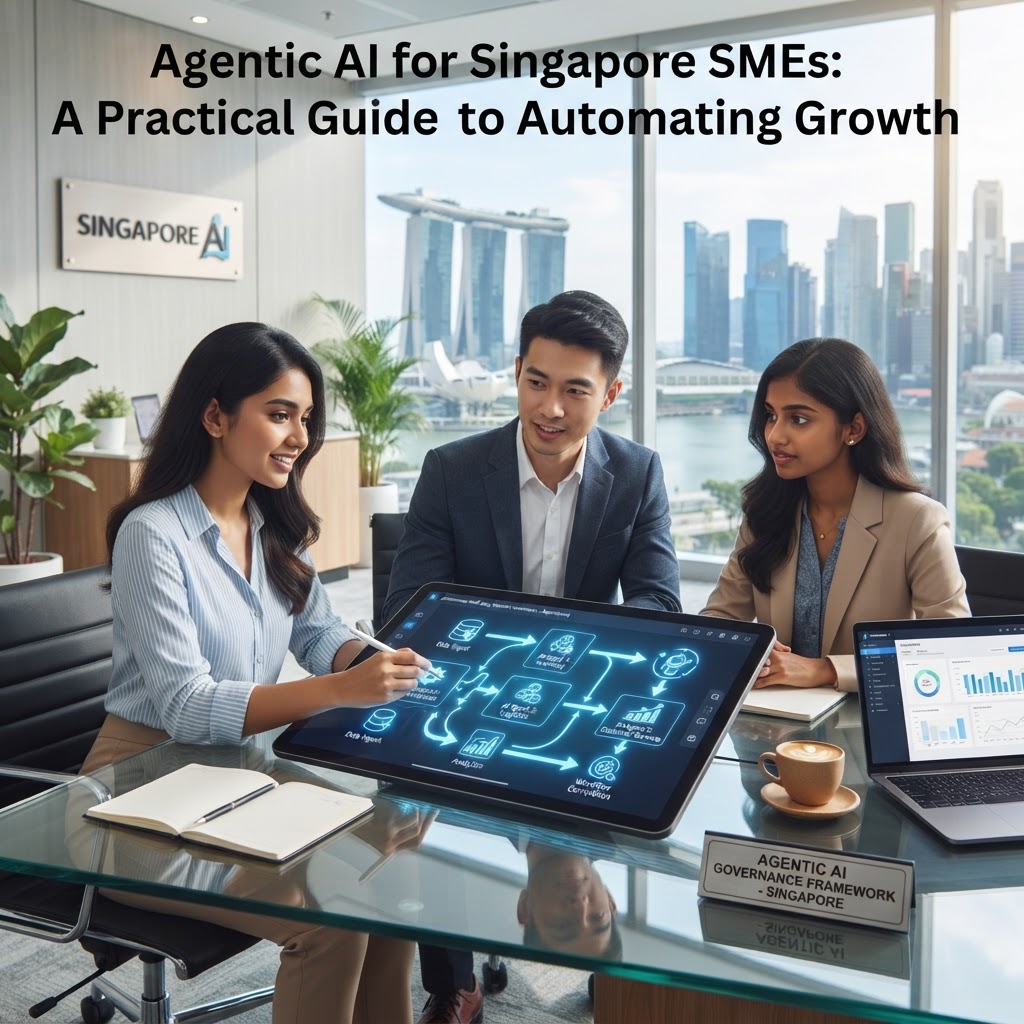
The transition toward AI-native marketing represents a move from intuition-based decision-making to evidence-based precision. In the Singapore SME context, this means utilising machine learning tools to predict customer behaviour before the marketing campaign even launches. For many business owners, the sheer volume of data generated daily can feel overwhelming, yet this data is the fuel that powers AI systems to identify high-intent traffic. When we discuss AI-driven digital marketing, we are referring to the integration of predictive modelling and automated content distribution systems that ensure your brand message reaches the right audience at the exact moment they are ready to purchase. Unlike traditional methods, which often rely on broad-stroke demographic targeting, AI allows for granular personalisation that addresses specific user needs. This is particularly vital in Singapore, where consumers are highly digital-literate and expect seamless, fast-loading interactions across all devices. By automating routine processes like social media scheduling, email responses, and bid adjustments in paid search, your team gains the capacity to focus on high-level strategy and creative development. However, the real power lies in the feedback loop. AI tools continuously learn from interaction patterns on your website, allowing you to refine your product offerings and service descriptions based on real-time queries rather than historical guesses. This approach requires a commitment to data cleanliness—meaning your website must track user intent accurately through properly configured analytics. Moving forward, the goal is not to let AI replace your brand voice, but to amplify it. By maintaining a human-led narrative while using machine intelligence for the distribution and optimisation side, you create a digital presence that is both efficient and deeply authentic, ensuring your SME remains relevant despite changing search engine algorithms.
Optimising Web Architecture for Generative Search
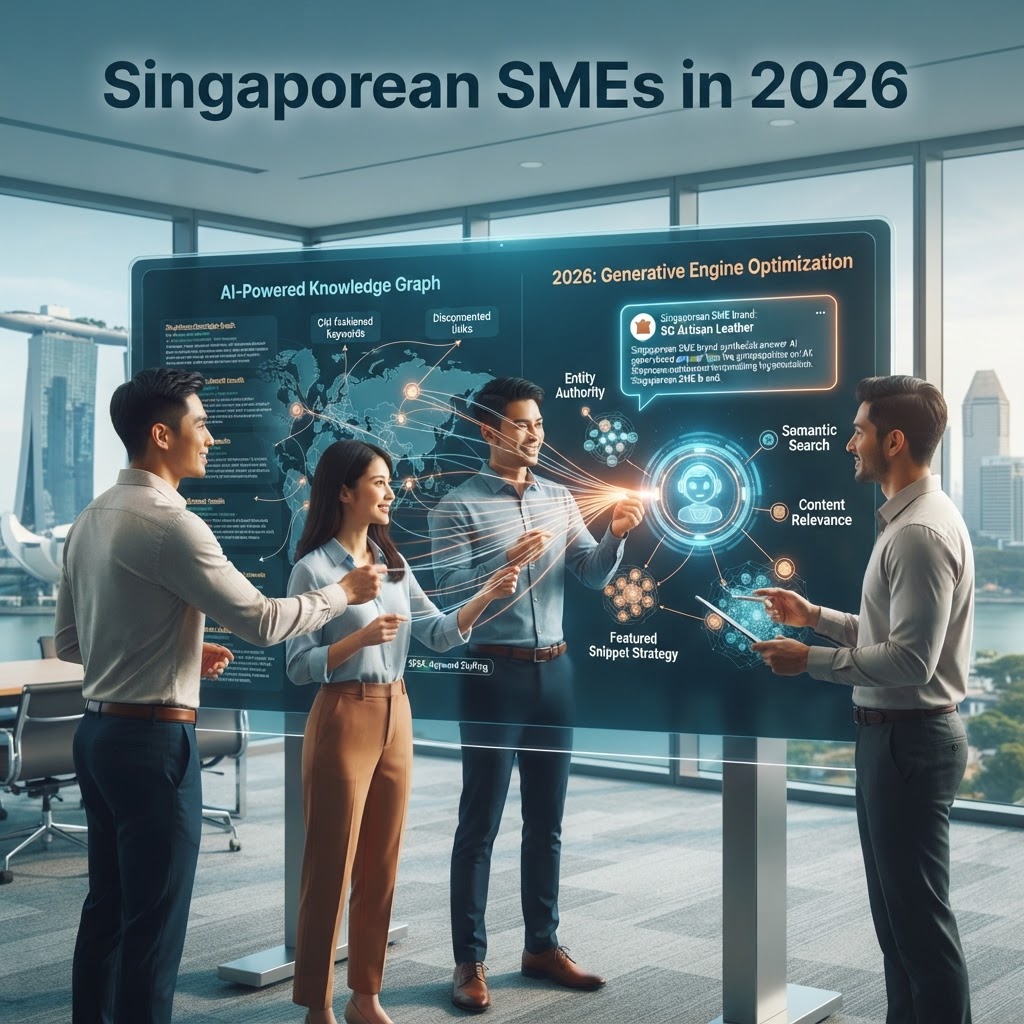
In 2026, search engines are increasingly moving toward generative AI answers, which means the structural integrity of your website is more important than ever. If your site lacks structured data or suffers from poor performance metrics, you risk being filtered out of the top results. We focus heavily on Core Web Vitals, which is a set of specific factors that Google considers crucial for a website’s overall user experience. These include Largest Contentful Paint (LCP), which measures loading performance, and Cumulative Layout Shift (CLS), which monitors visual stability. A website that is slow or visually jumpy is penalised because it fails the modern standard of user satisfaction. At iPro Dezign, our team often finds that SMEs struggle with outdated CMS platforms that are bloated with unnecessary plugins, significantly slowing down page load speeds. To succeed in the era of generative search, your site must be built with a performance-first approach, ideally utilizing headless architectures or lightweight, optimised frameworks that serve data to search engines efficiently. This allows AI bots to crawl, index, and understand your content without encountering friction. Furthermore, structured data—often referred to as schema markup—is the language that helps search engines understand what your business actually does. Whether you are an e-commerce store in the heart of Singapore or a B2B service provider, tagging your content with clear, descriptive metadata ensures that generative AI tools can cite your business accurately. A robust technical foundation acts as the backbone of your digital marketing strategy. Without it, even the best creative content will remain invisible to search algorithms. The following table provides a quick look at how modern technical standards compare to traditional web development practices in terms of long-term business performance and search discoverability.
| Metric | Traditional Approach | AI-Optimised Approach |
|---|---|---|
| Loading Speed | Variable/Slow | Consistently < 2.5s |
| Content Structure | Basic Meta Tags | Comprehensive Schema Markup |
| Mobile Experience | Responsive | Mobile-Native & Adaptive |
| Data Usage | Passive Reporting | Predictive Insights |
Balancing Automation and Human Creativity
A common misconception among SME owners is that adopting AI-driven digital marketing will somehow dilute their brand identity. In practice, the opposite is true. When mundane, repetitive tasks are handled by software, your creative team is liberated to pursue high-impact initiatives that require genuine human empathy and professional nuance. For example, using AI to manage inventory-level ad updates allows your team to spend more time crafting compelling video content or refining the local tone of your brand messaging. In Singapore, where cultural nuance and local context matter significantly, your customers can quickly spot generic, machine-generated content. Therefore, the strategy must involve a symbiotic relationship between tools and human oversight. Your team should oversee the strategic inputs—such as the target audience personas, the unique value propositions, and the ethical guardrails—while the AI manages the distribution and tactical testing of that content. This creates a sustainable cycle of improvement. When we help clients implement these workflows, we begin by setting up automated triggers that capture potential customer data at every touchpoint of the journey, ensuring the follow-up process is immediate and personalised. However, technology should never be the primary face of your company. It is merely the engine room. The human element—your expertise, your unique story, and your commitment to your clients—remains the differentiator that converts a visitor into a long-term customer. We advocate for a policy of total transparency and PDPA compliance when using AI to process customer data. Ensuring that your digital interactions feel helpful rather than intrusive is a hallmark of professional marketing. By balancing the raw power of AI automation with the sensitivity of human judgment, you create a brand experience that is both technologically advanced and emotionally resonant, establishing deep trust with the Singaporean market.
Scaling with Government Support and ROI
Investing in your digital infrastructure is one of the most critical decisions an SME owner will make. Fortunately, the Singaporean government continues to provide robust support through various grants, such as the Productivity Solutions Grant (PSG), which can cover up to 50% of the cost for eligible digital solutions. These initiatives are specifically designed to help SMEs adopt new technology, improve business processes, and remain competitive in an increasingly globalised and digital-first economy. At iPro Dezign, we specialise in helping our clients navigate these funding opportunities to ensure that a professional-grade web build or digital marketing overhaul is financially accessible. When evaluating the return on investment (ROI), it is vital to look beyond vanity metrics like vanity likes or impressions. True success in digital marketing is measured by outcomes such as qualified enquiries, reduced customer acquisition costs, and improved lifetime value of your clients. For example, when we assist a client in rebuilding their site for better speed and SEO, the goal is to create an asset that performs consistently over several years, not just a temporary fix. Because results depend on market competition and the starting state of your current infrastructure, we focus on measurable growth, transparency, and technical excellence. A well-executed project doesn’t just improve your visibility; it improves your conversion rates by reducing friction at every stage of the funnel. By leveraging government grants, you effectively lower your initial capital expenditure, allowing you to reallocate budget toward sustained lead generation and continuous performance optimisation. Choosing the right digital partner means finding an agency that understands both the technical requirements of the platform and the economic landscape of your business. We pride ourselves on being a dependable, responsive partner that helps you make informed choices, ensuring every dollar spent works toward building your brand equity in the long term.
The journey toward becoming an AI-native business is an iterative process, not a destination. By prioritising technical performance, embracing automation for efficiency, and maintaining a human-centric brand voice, your SME will be well-positioned to thrive. Whether you are preparing to overhaul your website or looking for expert guidance on your next campaign, we are ready to assist. If you would like to discuss your specific goals or explore how the PSG grant can support your growth, please contact our team for a consultation. We believe in building lasting relationships through clear, honest, and results-focused support, and we are just a call away from helping you define your next stage of development. Let us help you turn digital complexity into your competitive advantage.
Frequently Asked Questions
1. What does AI-driven digital marketing actually mean for a small business? It means using automated tools to understand your customer data better, deliver personalised content, and optimise your website performance to meet modern search standards.
2. Is my website ready for generative search engines? You can assess this by checking your site speed, the quality of your structured data, and your mobile responsiveness. If you are unsure, a technical audit is the best starting point.
3. Can I use PSG grants for website improvements? Yes, many digital solutions and website rebuilds are eligible for PSG funding, covering up to 50% of the costs. We can guide you through the eligibility process.
4. How do I maintain a personal brand voice with AI tools? AI should be used for distribution and data-led tasks, while your team remains responsible for the creative strategy, brand narrative, and final human review of all public-facing communication.
5. How long does it take to see results from these digital improvements? While some technical fixes yield faster performance gains, meaningful growth in organic search and conversions is typically an incremental process that requires consistent effort and data-backed adjustments over several months.