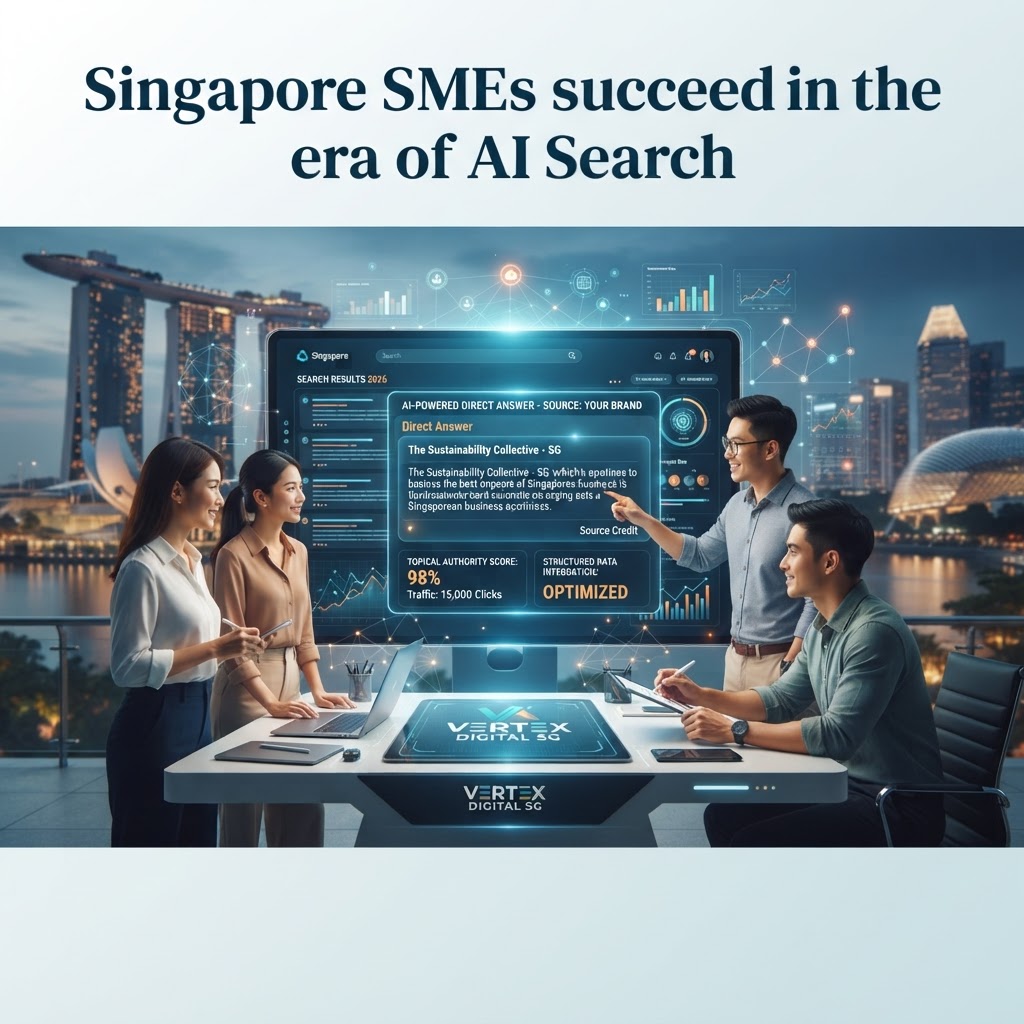
AI Search vs. Traditional SEO: How Singapore SMEs Can Stay Visible in 2026
As we look toward 2026, a significant transformation looms in the way consumers conduct searches online. Traditional SEO has long been the cornerstone of digital visibility, but the rise of AI search tools such as ChatGPT, Gemini, and Google AI Overviews necessitates a reevaluation of strategies for Singaporean SMEs. These tools provide direct answers to user queries, steering the focus away from conventional keyword traffic. The need of the hour is to understand AI search optimization and how to adapt to these changes to maintain visibility and relevance in a digital landscape that continues to evolve rapidly.
For Singapore’s SMEs, this transition might seem daunting, yet it provides an opportunity for those who proactively adjust their digital marketing strategies. Instead of chasing keywords like before, businesses must now aim to be recognized as authoritative sources in their domains. By embracing AI-driven visibility, brands can enhance their digital presence and connect meaningfully with their audiences. This article will delve deep into the implications of this shift and outline actionable steps for SMEs to thrive in a future defined by AI search.
Table of Contents
Understanding AI Search Optimization
AI search optimization refers to the techniques and strategies designed to enhance a website’s visibility over AI-powered search platforms. Unlike traditional SEO, which primarily focuses on keyword placements and backlinks, AI search optimization requires a more nuanced approach. Algorithms used in AI search systems prioritize context, user intent, and authoritative content. This paradigm shift places a premium on generating informative, high-quality content that directly addresses users’ questions.
For SMEs in Singapore, adapting to this model is essential for staying competitive. Traditional metrics like search rankings are gradually losing their relevance in the age of AI. Instead of merely aiming for high placement on search engine results pages (SERPs), businesses should focus on becoming trusted information sources. This means ensuring that content is not only well-written but also rich in context and relevance — meeting the consumer’s needs in a meaningful way.
A critical aspect of AI search optimization is understanding user behavior. AI tools analyze queries not just for keywords but for intent and context. Engaging with local audiences, incorporating commonly searched queries, and utilizing natural language can bridge the gap between businesses and consumers. For instance, Singapore’s multilingual landscape requires businesses to consider various linguistic factors that might influence search behavior.
Additionally, factors such as Core Web Vitals — which include loading performance, interactivity, and visual stability —are crucial when optimizing for AI searches. A website that provides a stellar user experience will be favorably indexed by AI-powered systems. Investing in these aspects can directly enhance your site’s performance while improving user engagement.
In summary, understanding AI search optimization is about more than just changing keywords; it is about reshaping content strategies to align with user needs and preferences. By prioritizing quality and user-centered content, Singaporean SMEs can harness AI power to enhance their visibility effectively.
Challenges and Opportunities for SMEs
The transition from traditional SEO to AI search optimization presents unique challenges and opportunities for Singapore SMEs. While businesses may face initial hurdles in adapting to this evolving landscape, it also opens up new pathways for growth and engagement.
One significant challenge is the need for continual education and adaptation. Traditional SEO practices have been the norm for many years, meaning that many SMEs may lack the knowledge required to adapt successfully to AI search principles. This lack of awareness can lead to gaps in optimally positioning their brands online. Thus, ongoing training, workshops, and consultations become imperative for decision-makers, ensuring they understand the nuances of AI search tools.
On a more positive note, the shift towards AI presents exciting opportunities. Businesses that invest in understanding AI search optimization can improve their visibility and establish themselves as thought leaders in their industries. Content that provides value — be it through informative blogs, how-to guides, or engaging multimedia — has the potential to attract a more targeted audience, thereby increasing conversion rates.
Moreover, the incorporation of AI tools can lead to better personalization in marketing strategies. AI systems can analyze consumer behavior more effectively, allowing for tailored marketing messages that resonate on a personal level. By understanding user preferences, brands can create content and offers that align closely with what consumers are seeking, enhancing engagement and driving leads.
Additionally, SMEs can leverage AI-driven insights to optimize their operations effectively. By combining data analytics with enhanced search strategies, businesses can make informed decisions based on consumer behavior, market trends, and performance metrics. This means that local SMEs can remain agile, capable of responding quickly to changes in demand and preferences.
While challenges abound, the opportunities presented through embracing AI search optimization are vast. By overcoming initial barriers through education, collaboration, and strategy, Singaporean SMEs can position themselves favorably in the evolving digital marketplace.
Strategies to Adapt to AI-Driven Visibility
To effectively navigate the shift toward AI-driven visibility, Singapore SMEs should implement concrete strategies aimed at enhancing their AI search optimization. Here are several key approaches to consider:
1. Focus on Content Quality: Elevate the quality of your content by ensuring it is informative, engaging, and relevant. Consider using diverse formats, such as video, infographics, and podcasts, to cater to various consumer preferences.
2. Utilize Natural Language Processing: Incorporate conversational language and long-tail keywords into your content. This aligns with how users phrase their searches and improves the chances of being surfaced in AI-driven results.
3. Leverage Structured Data: Implement schema markup on your website to help search engines understand content context. This can improve visibility in rich results, enhancing your brand’s presence in AI searches.
4. Optimize for Local Searches: Focus content on local issues, events, and trends relevant to the Singaporean market. This can improve your chances of being cited in local searches and may enhance engagement from local consumers.
5. Monitor Core Web Vitals: Regularly check and optimize your website’s Core Web Vitals to ensure faster loading speeds and a streamlined user experience. Tools like Google PageSpeed Insights can help identify areas for improvement.
6. Embrace Multi-Platform Strategies: Use multiple platforms for content distribution, including social media and online forums, to engage a wider audience. A holistic approach ensures that your message reaches your target audience effectively.
Here’s a table summarizing these strategies:
| Strategy | Description |
|---|---|
| Focus on Content Quality | Create informative and engaging content in various formats. |
| Utilize Natural Language Processing | Use conversational language to align with user search patterns. |
| Leverage Structured Data | Implement schema markup for better contextual understanding. |
| Optimize for Local Searches | Focus on relevant local content for improved visibility. |
| Monitor Core Web Vitals | Ensure fast loading and a better user experience. |
| Embrace Multi-Platform Strategies | Distribute content across multiple platforms for broader reach. |
These strategies can not only bolster your chances of visibility in AI search but also affirm your brand’s credibility and authority in the digital landscape.
Measuring Success in AI SEO
As businesses pivot to AI search optimization, measuring the success of these strategies becomes pivotal. Traditional metrics such as keyword rankings may no longer provide a complete picture. Instead, SMEs must adopt a new suite of evaluation tools that reflect the AI-driven landscape.
One effective method for assessing SEO performance is through analytics platforms like Google Analytics and Google Search Console. These tools can offer valuable insights into user behavior, engagement rates, and traffic patterns. By monitoring metrics like session duration, bounce rates, and pages per session, businesses can gauge how well their content is resonating with audiences.
Another important aspect to consider is looking at conversion metrics, especially how many visitors are completing desired actions, such as making a purchase or filling out a contact form. This can provide a more comprehensive understanding of the effectiveness of your content in meeting user needs.
Furthermore, employing sentiment analysis can help businesses gauge audience perceptions of their brand. This can be particularly crucial in an age where trust and authority are paramount in digital consumption. Tools that analyze social media engagement and feedback can provide valuable insights into how your audience perceives your brand in the AI landscape.
Incorporating A/B testing can also be beneficial in determining which types of content or marketing strategies resonate best with the target audience. Testing different headlines, formats, or call-to-action phrases can yield insights that refine marketing efforts effectively.
Ultimately, the key to measuring success in AI SEO lies in a holistic interpretation of the data collected. By combining insights from user behavior, audience sentiment, and conversion metrics, businesses can make informed decisions that further enhance their digital strategies.
As Singapore SMEs navigate this evolving digital landscape, leveraging data-driven strategies will not only help understand their performance but also empower them to adapt proactively to changing dynamics.
Conclusion
As AI search tools become increasingly prevalent, Singapore SMEs must align their digital marketing strategies with these advancements. The era of traditional SEO is transitioning into a new phase, emphasizing quality content, user intent, and AI-driven insights. By understanding and adapting to AI search optimization, businesses can not only enhance their visibility online but also establish themselves as reputable and authoritative sources in their fields.
Implementing the strategies discussed, continuously measuring results, and staying attuned to market shifts will position businesses for sustained success in the AI-driven digital landscape of 2026 and beyond. Always remember; a proactive approach will ensure your brand remains relevant and resonates with its intended audience.
FAQ
- What is AI search optimization? AI search optimization focuses on enhancing visibility in AI-powered search environments by prioritizing content quality and user intent over traditional keyword strategies.
- How can SMEs measure the success of AI SEO? SMEs can utilize analytics tools to track user engagement, conversion rates, and audience sentiment to assess the effectiveness of their AI search strategies.
- Why is content quality important in AI search? High-quality content that addresses user needs enhances visibility in AI searches and positions brands as authoritative sources in their fields.
- What role do local searches play in AI search optimization? Optimizing for local searches ensures that businesses can effectively connect with their target audience by focusing on region-specific content and issues.
- How can I start transitioning from traditional SEO to AI search optimization? Begin by focusing on creating high-quality content, implementing user-centered strategies, and continuously learning about AI trends affecting your industry.