Generative Engine Optimization: A 2026 Guide for Singapore SMEs
As the digital landscape in Singapore evolves, the way customers find your business is undergoing a fundamental shift. Gone are the days when users relied solely on blue links to navigate the web. Today, AI-powered search engines—often called Answer Engines—provide direct, synthesized responses to complex queries. For local businesses, this transition demands a new strategic approach known as Generative Engine Optimization. By moving beyond traditional keyword stuffing, SMEs can ensure their brands remain visible, authoritative, and citable within these AI-generated summaries. At iPro Dezign, our team helps local business owners navigate this technical evolution, ensuring your digital presence is not just functional but optimized for the future of search. With the right strategy, your business can leverage this AI shift to capture more qualified traffic while remaining compliant with local PDPA standards. Whether you are looking to upgrade your web architecture or refine your content strategy, understanding how to position your brand as a trusted source for AI models is now a critical business imperative for long-term growth.
Table of Contents
Understanding Generative Engine Optimization
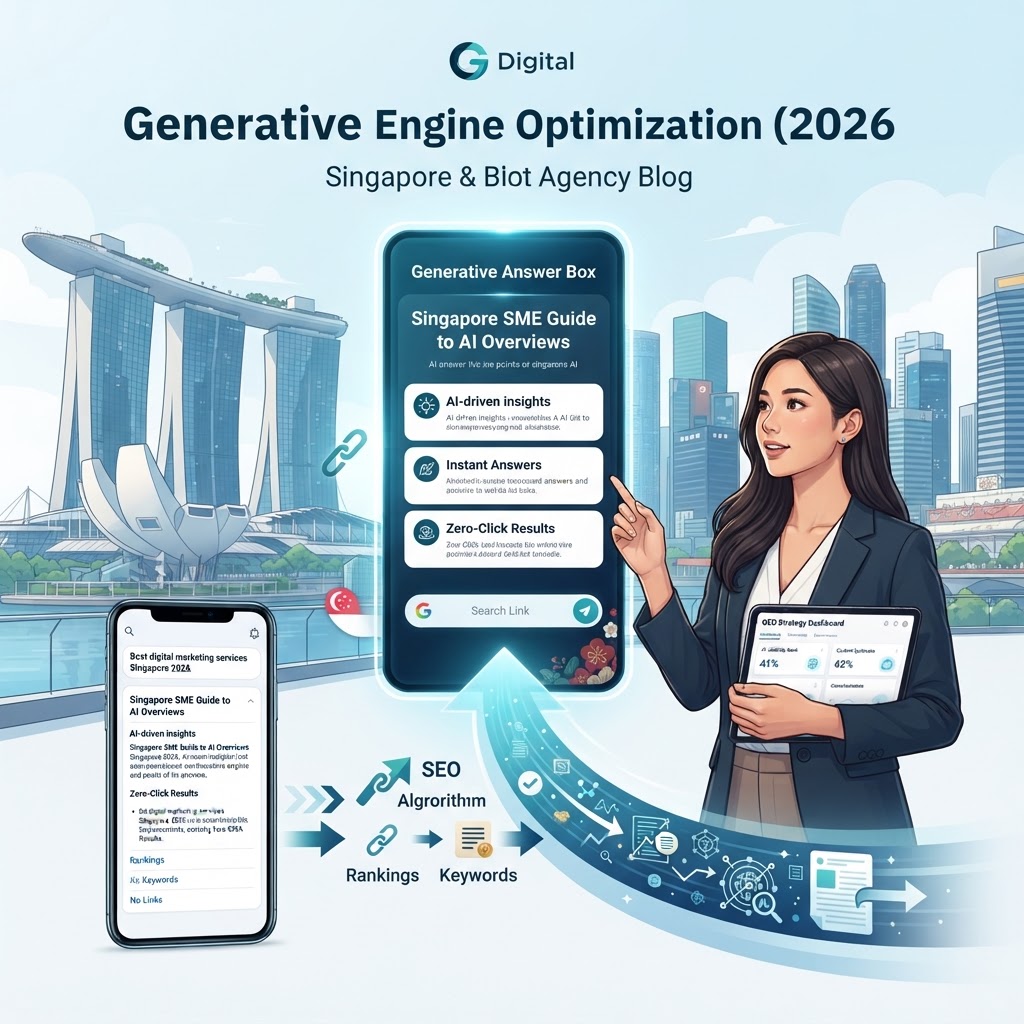
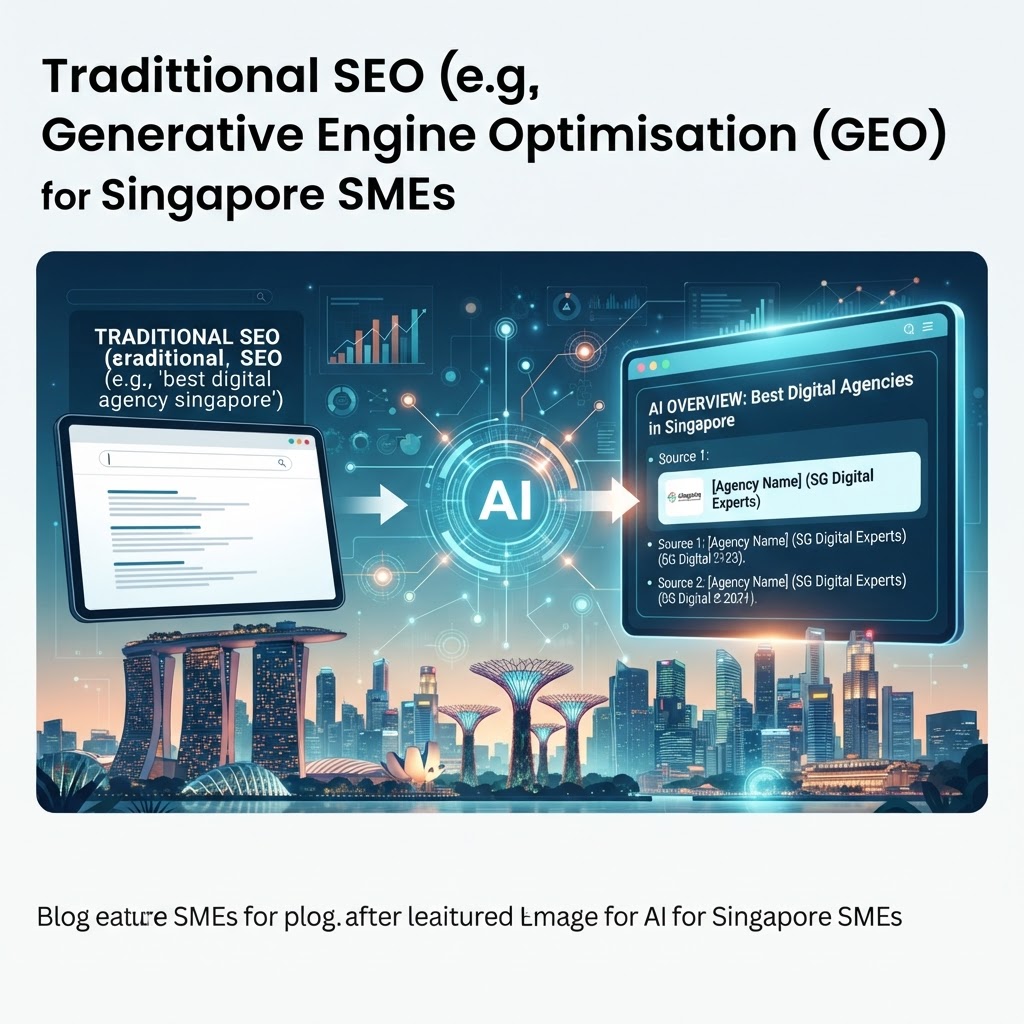
Generative Engine Optimization represents the convergence of traditional search techniques and machine learning output. Unlike standard SEO, which focuses on earning a high click-through rate from a list of search results, Generative Engine Optimization aims to position your brand as an authoritative source of information that AI engines can confidently cite. When a customer in Singapore asks an AI-integrated search tool for a recommendation—such as the best sustainable packaging supplier or an expert digital agency—the AI pulls data from highly relevant, trustworthy, and contextually rich pages. This means your business needs to provide clear, direct answers that address common industry queries without requiring a user to click through multiple pages to find the truth. By structuring your content to answer the ‘what,’ ‘why,’ and ‘how’ of your services, you significantly increase the likelihood that your business data is integrated into the model’s final response. This shift requires a change in mindset from keyword-focused content to value-focused information architecture. Our team works with Singaporean SMEs to audit their current digital footprint, identifying gaps where content is too generic to be cited. Instead of chasing broad traffic, we focus on depth and specificity, ensuring that your website acts as a verified knowledge base. This is particularly important for local businesses in competitive niches like finance, professional services, and retail. AI models prioritize consistency and factual accuracy, meaning your business must maintain high standards for content maintenance. We help you map out your customer journey, anticipating the specific questions your potential clients ask at each stage of the funnel. This proactive alignment ensures that when AI tools process data for local search intent, your brand is consistently represented as the logical, helpful, and reliable solution for users.
Developing AI-Friendly Content Strategies
Building a library of content that AI models find valuable requires a disciplined approach to structure and expertise. AI engines rely on semantic understanding, which means they look for context, intent, and relationship between different topics rather than just matching isolated keywords. To succeed, your content should adopt an entity-based approach. This involves clearly defining what your business does, who you serve, and how your solutions provide value in a structured format. For instance, if you operate an eCommerce store, ensure your product descriptions include technical specifications, origin data, and usage scenarios. When AI models crawl your site, they translate this data into a knowledge graph that helps them deliver precise answers to specific user questions. Furthermore, establishing clear authority is non-negotiable. Modern AI engines are programmed to reduce hallucinations by favoring sources with high domain authority and transparent authorship. We recommend creating deep-dive guides, case studies, and FAQ sections that highlight your specific industry expertise. Avoid thin, superficial blog posts that offer no unique insight. Instead, focus on producing high-quality articles that address real-world problems faced by Singaporean business owners. Incorporating unique data or original research—such as local market insights or sector-specific benchmarks—can make your content more attractive to citation engines. It is also vital to keep your website content updated. AI models frequently revisit pages, and having outdated information can negatively impact your perceived reliability. By integrating these practices into your content calendar, you transition from competing for attention in a cluttered search results page to being a foundational source for AI responses. This approach not only builds trust with machine learners but also reinforces your brand authority among human visitors who land on your site looking for genuine expertise, professional guidance, and measurable results.
Technical Foundations for Modern Search
Technical performance remains the backbone of any effective search strategy, but the requirements are evolving to meet the demands of AI crawlers. Beyond basic speed, your website must be built with a clean, semantic architecture that allows AI models to parse information efficiently. A headless CMS or a well-structured WordPress site using modular code allows your business to deliver content in a way that is easily digestible for machine learning algorithms. We emphasize the importance of Core Web Vitals—the industry standard for measuring page load, interactivity, and visual stability—because search engines are increasingly using these metrics to gauge user experience quality. A site that takes too long to load or experiences layout shifts often fails to capture the AI’s attention because it is seen as a poor resource for users. Furthermore, mobile-first design is essential. With the vast majority of Singaporean consumers accessing the web via mobile devices, your site must provide a seamless experience that mirrors desktop functionality. PDPA compliance and data security also play a role in trust signals; an AI engine is less likely to recommend a site that flags as insecure or lacks proper privacy documentation. The following table highlights the critical technical elements that our agency focuses on when performing a site audit for clients aiming to improve their visibility in AI-driven search environments. By aligning your site with these technical standards, you provide the infrastructure necessary for long-term growth and stability, ensuring that your digital storefront stays competitive in an increasingly automated world. Our technical audits help you identify and resolve bottlenecks, ensuring that every page on your site is optimized for both speed and searchability, giving you a distinct advantage over competitors who rely on bloated, outdated, or poorly structured platforms.
| Technical Element | Impact on AI Visibility | Recommended Action |
|---|---|---|
| Site Speed | Reduces bounce rates and enhances crawl efficiency. | Optimize image sizes and leverage modern caching. |
| Structured Data | Provides machine-readable context for products/services. | Implement Schema markup for business entities. |
| Mobile Responsiveness | Ensures accessibility across all devices. | Conduct regular cross-device testing. |
| Security/HTTPS | Essential for trust and search engine validation. | Ensure valid SSL certification and PDPA compliance. |
| Semantic Architecture | Allows AI to understand the content relationship. | Use clean HTML tags (h1, h2, h3) hierarchically. |
Measuring ROI and Visibility
Measuring success in the age of Generative Engine Optimization requires a shift away from vanity metrics like simple keyword rankings. Instead, we advocate for tracking brand sentiment, direct referral traffic from AI sources, and the quality of inbound enquiries. When you stop chasing volume and start focusing on authority, you notice that your leads become more qualified and your sales cycles often shorten. At iPro Dezign, we utilize advanced tracking tools to monitor how your brand appears in AI snippets and synthesized answers. We believe in transparency and data-driven decision-making, which is why we provide clients with regular reports that link digital activity to tangible outcomes. For many Singaporean SMEs, the goal is not just more traffic, but more conversions from clients who already recognize your value as a result of their interaction with an AI-provided answer. It is important to acknowledge that these outcomes depend heavily on your specific market, the competitive intensity, and the consistency of your efforts. However, by investing in a robust digital foundation, you are positioning your business for sustainable success. Many of our clients have successfully utilized the Productivity Solutions Grant (PSG) to fund up to 50% of the cost of their digital transformation projects, including website rebuilds and SEO overhauls. This government support makes it easier for SMEs to professionalize their online presence and compete on a level playing field. Whether you are a local startup or an established enterprise, our role is to act as your growth partner, providing the technical expertise and strategic guidance needed to thrive. We avoid empty promises of overnight success, preferring instead to focus on consistent, long-term improvement that creates value for your business and your customers. Our team is always a call away to discuss your goals, assess your site’s current performance, and help you navigate the complexities of today’s digital environment with confidence and clarity.
Conclusion
The rise of Generative Engine Optimization marks a significant shift in how businesses reach customers in Singapore. By focusing on technical excellence, authoritative content, and a clear understanding of machine-first search, your business can stay ahead of the curve. While the transition may seem daunting, it offers a major opportunity to build deeper trust and authority with your target audience. At iPro Dezign, we specialize in helping SMEs modernize their digital infrastructure to meet these new standards. From optimizing for Core Web Vitals to securing PSG funding for your next upgrade, our team provides the support you need to succeed. Do not let your competitors define the narrative—take charge of your AI visibility today. Contact us for a consultation to discuss your specific needs and take the next step in your growth journey.
Frequently Asked Questions
- What is Generative Engine Optimization? It is the practice of structuring your website to be easily understood and cited by AI-powered search engines, ensuring your brand appears in direct answers.
- Does traditional SEO still matter? Yes, traditional SEO remains the foundation of your digital presence, but it must now be enhanced with techniques that cater to machine-synthesized search results.
- Can iPro Dezign help with PSG grants? Yes, we guide SMEs through the process of utilizing the Productivity Solutions Grant to offset the costs of professional website and digital marketing services.
- How long until I see results? Outcomes vary based on your market, but consistent optimization typically leads to improved visibility and lead quality over several months of steady work.
- Is mobile optimization necessary for AI? Absolutely, as most AI-powered search experiences are heavily used on mobile devices, providing a high-performing mobile site is essential for brand credibility.