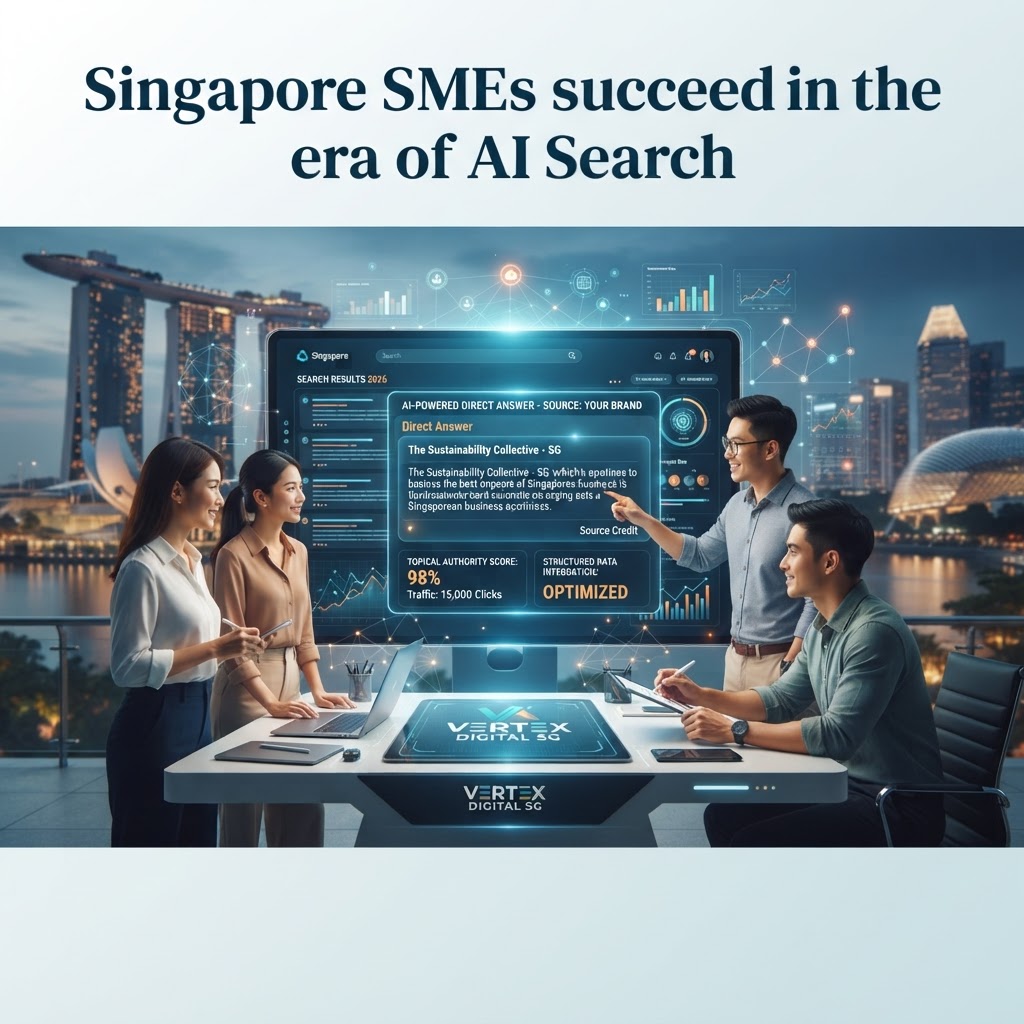
Generative Engine Optimization: A 2026 Guide for Singapore SMEs
As the digital landscape shifts, search engines are transforming into AI-powered answer engines. For Singaporean business owners, this evolution necessitates a move beyond traditional keyword-based strategies toward Generative Engine Optimization (GEO). While classic SEO focuses on ranking blue links on a results page, GEO ensures your brand is cited as an authoritative, trusted source within AI-generated responses. In 2026, simply having a website is no longer sufficient; your business must become an entity that AI models recognise, trust, and surface as the primary solution for user queries. This shift is critical for SMEs in Singapore that rely on organic discovery to drive growth, especially given our mobile-first, tech-savvy consumer base. At iPro Dezign, our team views this transition not as a threat, but as an opportunity to build deeper, more reliable digital assets that prioritise user intent and factual authority. By integrating structural data and high-quality, expert-led content, your brand can secure its visibility in the AI era. This guide explores how your SME can adapt to these changes, ensure PDPA compliance, and leverage government support like the PSG grant to modernise your digital presence effectively.
Table of Contents
Understanding the Shift to Generative Engines
The transition from traditional search to generative search is perhaps the most significant change in digital marketing since the inception of the search engine. Historically, search engines functioned like high-speed index cards, pointing users toward websites that contained specific keywords. Today, generative search engines use large language models to synthesise information, providing direct answers rather than a list of links. For a Singapore SME, this means that your visibility depends less on keyword density and more on the depth and accuracy of the information you provide. Generative Engine Optimization requires a rethink of how we structure digital information to ensure it is digestible by artificial intelligence models. When these models scan your site, they look for clear, authoritative entities that answer specific user questions. Our team at iPro Dezign has observed that businesses that focus on being the primary source of truth in their niche are consistently rewarded by these AI systems. To succeed, you must ensure that your website architecture supports semantic search, which is the process of understanding the intent behind a user query rather than just matching words. This involves creating comprehensive content hubs, using structured data markup—code that helps search engines understand your content—and ensuring your site performance is exemplary. In the context of the Singapore market, where competition is fierce and consumers value efficiency, being the top source in an AI-generated summary can be the difference between a conversion and being ignored. We emphasize a consultative approach, helping you audit your current assets to see where they fail to meet the standards required by modern AI. This is a journey of refinement, not a quick fix, and it requires a dedicated commitment to quality information architecture that respects both the user and the machine.
Technical Foundations for AI-Readiness
Technical performance remains a cornerstone of digital success, and in the era of generative search, it is even more critical. AI models are data-hungry and prioritize sites that offer a seamless, high-speed experience. Factors like Core Web Vitals—a set of specific factors that Google considers important in a webpage’s overall user experience—are no longer just about user satisfaction; they are about technical authority. If your site is sluggish, unresponsive, or fails to render correctly on mobile devices, AI models may perceive your platform as low-quality, resulting in lower citation rates. Our agency focuses on robust builds, often utilizing headless CMS architectures that decouple the backend data from the frontend display to achieve lightning-fast load times. Furthermore, the importance of schema markup cannot be overstated. Schema is a form of microdata that you add to your website to provide AI search engines with explicit clues about the meaning of your page content. For instance, if you run a local clinic, using medical schema helps the AI understand your operational hours, services, and credentials. When we rebuild client sites, we focus on clean, semantic code that is easy for AI to parse. This technical rigor also aligns with Singapore’s focus on robust digital infrastructure and security. Given the strict PDPA compliance requirements in Singapore, having a secure, well-architected site protects your data while satisfying the reliability criteria used by search engines. Investing in your site’s performance is a long-term strategy, and with PSG grant support, SMEs can often offset up to 50% of the cost for such digital upgrades. We recommend starting with a full performance audit to identify bottlenecks that might be holding your site back from being recognized as an authoritative entity by the latest AI crawlers.
| Feature | Traditional SEO | Generative Engine Optimization |
|---|---|---|
| Primary Goal | Keyword Rankings | AI Citation/Entity Authority |
| Measurement | Traffic Volume | Answer Relevance & Trust |
| Content Style | Keyword-Rich | Expert-Driven/Fact-Based |
| Infrastructure | Standard CMS | High-Speed/Semantic Architecture |
Building Authority in the AI Age
Building authority is the heartbeat of effective Generative Engine Optimization. In the past, many businesses relied on short, keyword-stuffed articles to gain temporary traction. This tactic is now ineffective, as generative models are designed to identify and filter out superficial content. Today, you must provide genuine value through depth, expertise, and a unique perspective. This is where the founder-led, consultative experience at iPro Dezign becomes a significant asset to our clients. We encourage SMEs to create content that answers the specific, complex questions your customers are actually asking. Instead of writing general pieces about industry trends, write deep dives that solve specific problems. For example, if you are in the professional services sector, write detailed guides on navigating regulatory changes or optimizing operational workflows. By providing this level of detail, you position your brand as an expert entity in the eyes of the AI. When an AI summarizes a topic, it looks for sources that have demonstrated depth over time. This means your content strategy should focus on building a library of interconnected articles that cover your niche thoroughly. Furthermore, transparency and honesty are essential. Avoid over-promising or using hype-driven marketing language. AI models are trained on vast datasets and can distinguish between promotional filler and genuine, high-quality, expert-led content. By maintaining a professional and knowledgeable voice, you establish the trust necessary to be a primary source for AI answers. Remember, your goal is to be the expert that the AI cites, not just a brand name that appears in a list. This requires consistent effort, a focus on factual accuracy, and the ability to articulate your business value clearly and concisely for an audience that increasingly prefers the speed of AI-delivered answers.
Implementing a Localized GEO Strategy
A successful GEO strategy for a Singapore SME must be deeply rooted in the local context. Local search is rapidly evolving; when a user asks an AI about a local service, the engine looks for high-authority entities that have strong, verified local signals. This includes having a consistent business name, address, and contact information across all digital touchpoints, as well as positive reviews and high-quality local content. Our team works closely with SME owners to ensure their digital identity is coherent and trustworthy. Localization also involves acknowledging the unique consumer behaviors in Singapore, such as the preference for mobile-first experiences and the importance of government-backed quality assurances. When you align your SEO and digital marketing with the standards required for PSG funding, you are essentially signaling to both the government and the search engines that your business is a legitimate, high-quality operation. Beyond just technical settings, localization means creating content that addresses local challenges. Are there specific Singaporean regulations that impact your industry? Are there local market trends that your clients care about? By writing about these topics with authority, you increase your chances of being featured in local-intent AI responses. We also focus on building backlinks from reputable local sources—such as local industry journals or community business portals—which act as trust signals. This is not about building a high volume of links, but rather focusing on high-quality, relevant connections that demonstrate your active role in the Singapore business ecosystem. As your digital partner, we help you manage this ongoing process, ensuring your brand stays relevant as the technology continues to shift. Staying responsive and agile is key; when the landscape changes, we are there to adjust your strategy so that your business continues to benefit from the evolving digital search landscape.
Conclusion
Adapting to the era of Generative Engine Optimization is not merely a technical adjustment; it is a fundamental shift in how your business approaches digital communication. By prioritizing technical excellence, authoritative content, and strong local signals, your SME can secure a prominent position in the new AI-driven search landscape. While the shift can feel daunting, remember that the core of GEO—providing honest, high-value, and accurate answers—is what iPro Dezign has always championed for our partners. We are committed to helping you navigate this transition, from modernizing your infrastructure with PSG-supported builds to crafting a content strategy that resonates with your target audience. Do not wait for your competitors to define the digital space in your industry. Contact our team today to book a consultation, check your eligibility for government grants, and start building a digital presence that is designed to lead in 2026 and beyond.
Frequently Asked Questions
- What exactly is Generative Engine Optimization? GEO is the practice of optimizing your website content and architecture so that AI-powered search engines identify your brand as an authoritative source and cite it in their conversational answers.
- How does GEO differ from traditional SEO? Traditional SEO focuses on keyword rankings and clicks, whereas GEO focuses on building entity authority so that your information is used by AI models to answer user queries directly.
- Can Singapore SMEs use PSG grants for GEO? Yes, businesses can often utilize the Productivity Solutions Grant (PSG) to cover up to 50% of the costs for web development, performance optimization, and digital strategy projects that modernize your presence.
- Is keyword research still relevant in 2026? While keywords are still important for understanding user intent, the focus has shifted to semantic search, meaning you should prioritize answering questions comprehensively rather than focusing on keyword density.
- How can I get started with a GEO strategy? Start by performing a technical audit of your site to improve load speeds and implementing structured data (schema markup). Follow this by creating high-quality, expert-led content that addresses your customers’ specific needs.