Singapore’s vibrant food and beverage industry faces intense digital competition in 2025, where exceptional custom website design Singapore has become essential for restaurant success. With over 90% of diners researching restaurants online before visiting and mobile searches dominating local discovery, F&B businesses must create compelling digital experiences that convert hungry browsers into satisfied customers.
The challenge extends beyond attractive visuals to encompass online ordering systems, table reservations, delivery integration, and social media connectivity that reflects Singapore’s sophisticated dining culture. Modern restaurant websites serve as digital storefronts, marketing platforms, and operational tools that directly impact revenue and customer satisfaction.
This comprehensive guide explores restaurant-specific design strategies, technical requirements, and marketing integration that help Singapore F&B businesses thrive in an increasingly competitive digital landscape.
Understanding Singapore’s F&B Digital Landscape
Consumer Behavior Patterns
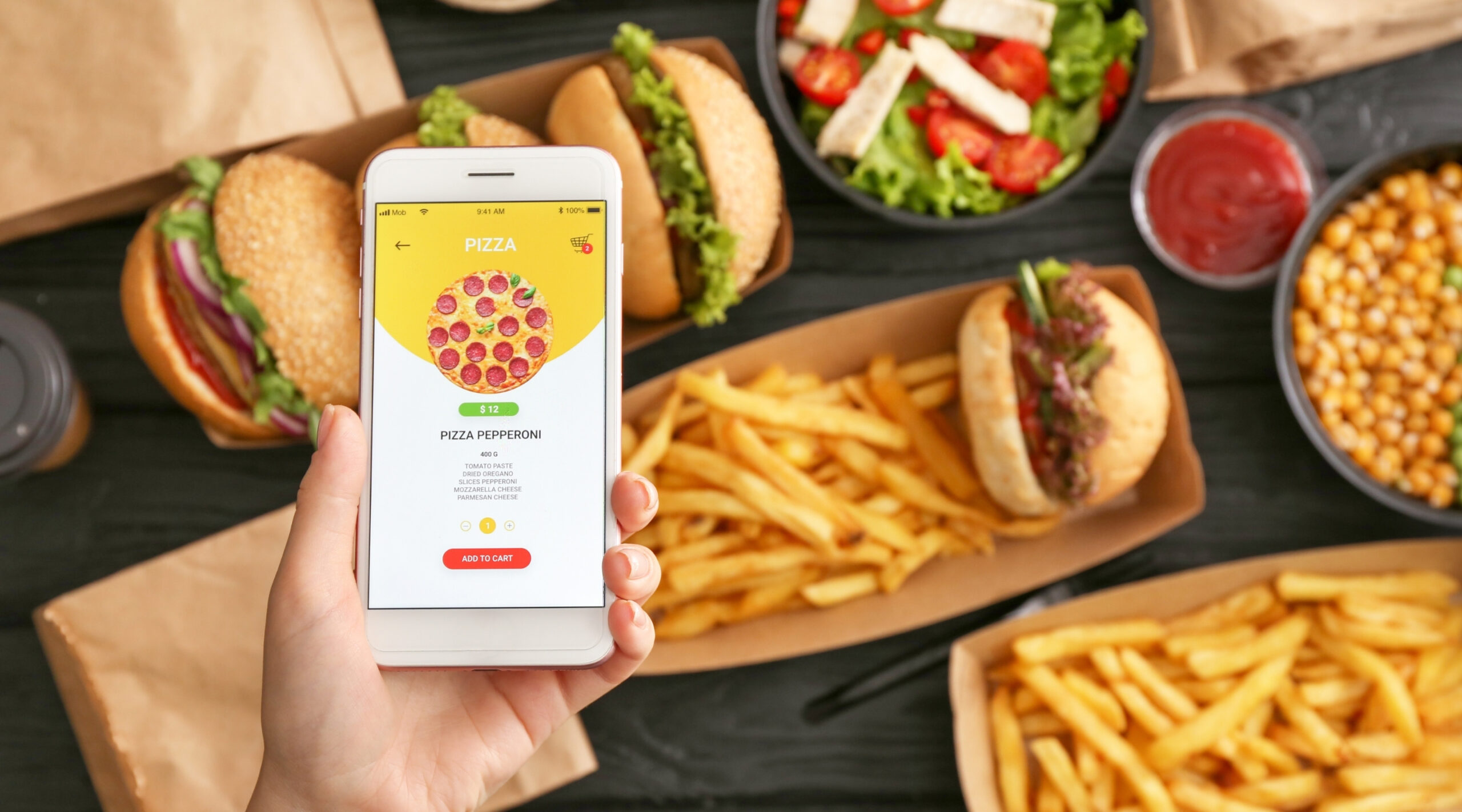
Mobile-First Restaurant Discovery Singapore diners increasingly discover restaurants through mobile searches, with 78% using smartphones to find nearby dining options. This behavior pattern makes mobile-first web design essential for restaurant visibility and customer acquisition.
Location-based searches dominate restaurant discovery, with consumers seeking immediate information about menus, operating hours, and availability. Restaurants failing to optimize for mobile search risk losing customers to competitors with superior mobile experiences.
Social Media Integration Expectations Singapore’s social media-savvy diners expect seamless integration between restaurant websites and social platforms, particularly Instagram and Facebook where food photography drives dining decisions and word-of-mouth marketing.
Online Ordering and Delivery Preferences The pandemic permanently shifted consumer expectations toward convenient online ordering options. Singapore diners now expect restaurants to offer multiple ordering channels including direct website ordering, third-party delivery integration, and takeaway options.
Market Competition Dynamics
Differentiation Through Digital Experience Singapore’s saturated F&B market requires restaurants to differentiate through superior digital experiences that communicate unique value propositions, ambiance, and culinary excellence effectively.
Local vs. International Chain Competition Local restaurants must compete against well-funded international chains with sophisticated digital marketing budgets, requiring strategic approaches that leverage authenticity, community connections, and specialized culinary offerings.
Understanding how successful restaurants implement affordable web design Singapore strategies can help local establishments compete effectively while managing budget constraints.
Essential Restaurant Website Features
Menu Presentation and Optimization
Visual Menu Design Principles Restaurant menus require careful balance between visual appeal and practical functionality. High-quality food photography, clear typography, and intuitive categorization help customers navigate offerings while building appetite appeal through visual presentation.
Digital Menu Management Modern restaurant websites need easily updatable digital menus that accommodate seasonal changes, daily specials, and pricing adjustments without requiring developer intervention. Content management systems should enable real-time menu updates.
Dietary Restriction and Allergen Information Singapore’s diverse population requires comprehensive dietary information including halal certification, vegetarian options, allergen warnings, and nutritional details that serve health-conscious consumers and religious requirements.
Pricing Transparency and Value Communication Clear pricing display builds trust while strategic presentation of value propositions, portion sizes, and special offers helps justify pricing in Singapore’s competitive dining market.
Online Ordering and Reservation Systems
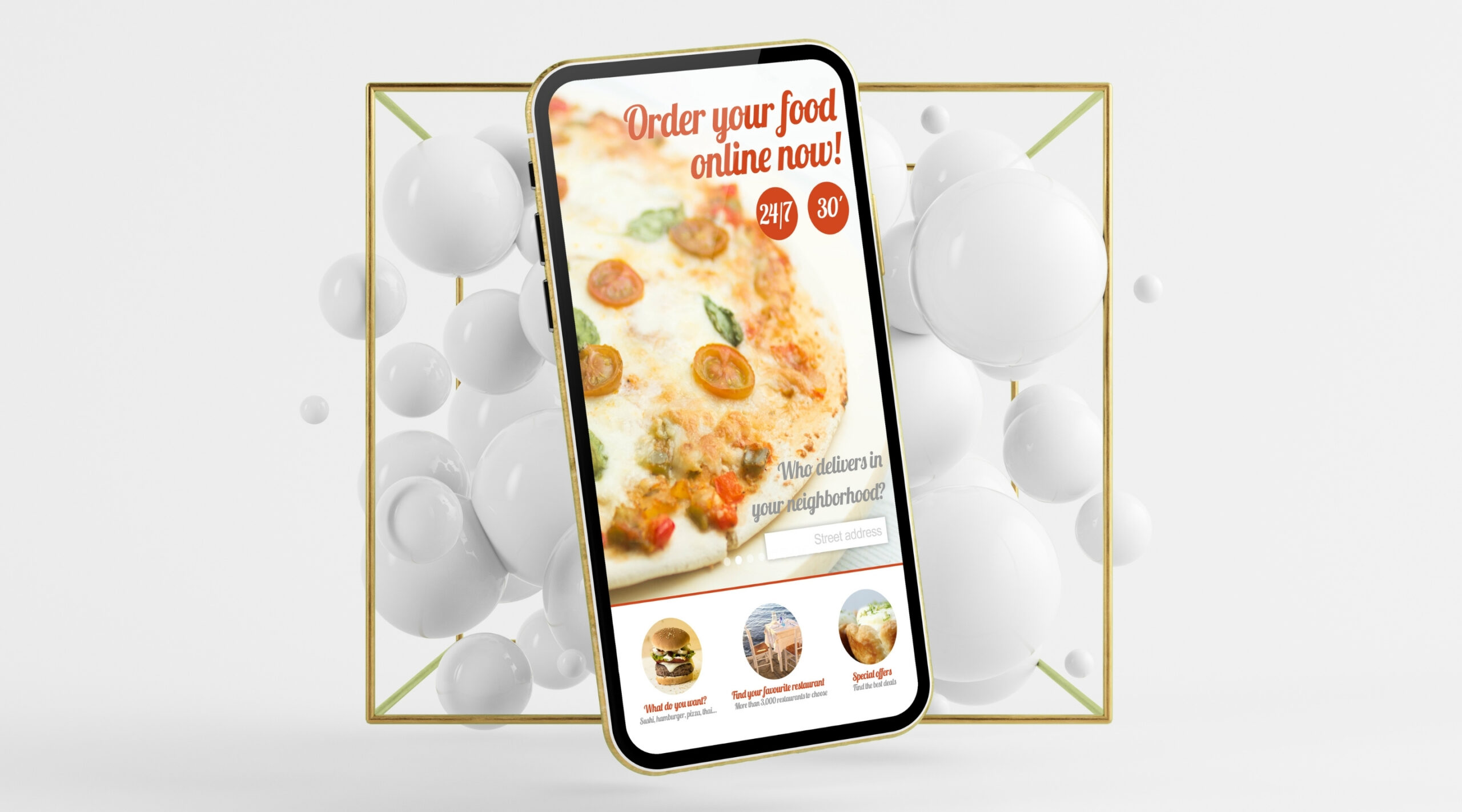
Direct Online Ordering Integration Restaurants benefit from direct online ordering systems that avoid third-party commission fees while providing better customer data and relationship control. These systems require seamless integration with kitchen operations and payment processing.
Table Reservation Management Sophisticated reservation systems accommodate party sizes, special requests, time preferences, and availability management while reducing administrative overhead and no-show rates through automated confirmation systems.
Delivery and Pickup Coordination Integration with delivery services like Grab Food and Foodpanda, combined with direct pickup options, requires coordination between website ordering, kitchen operations, and logistics management.
Location and Contact Information
Prominent Address and Directions Restaurant websites must prominently display addresses, phone numbers, and integrated Google Maps that enable easy navigation to physical locations. This information should be immediately visible without requiring navigation through multiple pages.
Operating Hours and Holiday Schedules Clear display of operating hours, holiday schedules, and temporary closures prevents customer disappointment while reducing unnecessary phone calls to restaurant staff.
Parking and Accessibility Information Singapore’s urban dining environment requires clear information about parking availability, public transportation access, and accessibility features that help customers plan their visits effectively.

Industry-Specific Design Considerations
Fine Dining and Premium Restaurants
Luxury Brand Presentation High-end restaurants require sophisticated visual design that reflects premium positioning through elegant typography, refined color schemes, and professional photography that communicates quality and exclusivity.
Chef and Culinary Story Integration Premium establishments benefit from storytelling elements including chef profiles, culinary philosophy, ingredient sourcing stories, and behind-the-scenes content that justifies premium pricing through expertise demonstration.
Private Dining and Event Capabilities Upscale restaurants should showcase private dining options, event hosting capabilities, and group booking functionality that captures lucrative corporate and celebration dining revenue.
Casual Dining and Family Restaurants
Family-Friendly Feature Emphasis Casual dining websites should highlight family-friendly amenities, children’s menus, high chair availability, and group accommodation that appeals to Singapore’s family dining market.
Value and Promotion Communication Clear presentation of daily specials, happy hour offerings, and promotional deals helps price-sensitive consumers choose restaurants while encouraging repeat visits through ongoing value demonstration.
Community Connection and Local Identity Casual restaurants benefit from emphasizing local connections, community involvement, and neighborhood character that builds loyal customer relationships beyond transactional dining experiences.
Quick Service and Fast Casual
Speed and Convenience Optimization Quick service restaurants require streamlined ordering processes, clear pickup instructions, and efficient customer flow management that matches the fast-paced expectations of their target market.
Menu Simplification and Decision Support Simplified menu presentation with combo meals, popular items highlighting, and quick decision tools help time-conscious customers make selections efficiently while maximizing average order values.
Cafes and Coffee Shops
Ambiance and Workspace Communication Singapore’s cafe culture includes significant workspace and meeting usage, requiring websites to communicate WiFi availability, seating arrangements, and work-friendly atmosphere through visual and textual content.
Specialty Coffee and Beverage Expertise Specialty coffee shops should showcase brewing expertise, bean sourcing, barista skills, and beverage customization options that differentiate them from chain competitors.
Technical Implementation Requirements
Performance Optimization for Food Photography
Image Compression and Loading Speed Restaurant websites typically feature extensive food photography that can slow loading times if not properly optimized. Advanced compression techniques and lazy loading ensure visual appeal doesn’t compromise performance.
The importance of responsive web design Singapore becomes critical when displaying food photography across different device sizes while maintaining visual appeal and fast loading speeds.
Mobile Gallery Optimization Food photography galleries must function smoothly on mobile devices through touch-friendly navigation, pinch-to-zoom functionality, and swipe gestures that enhance mobile browsing experiences.
Integration Capabilities
Point of Sale (POS) System Connectivity Modern restaurant websites should integrate with POS systems to synchronize menu items, pricing, and availability across digital and physical ordering channels, reducing operational complexity and order errors.
Kitchen Display System Coordination Online orders must flow efficiently to kitchen operations through integration with kitchen display systems, order management software, and preparation workflow tools that ensure timely fulfillment.
Payment Processing and Security Secure payment processing requires SSL certificates, PCI compliance, and integration with local Singapore payment methods including PayNow, credit cards, and digital wallets preferred by local consumers.
Local SEO and Discovery Optimization
Google My Business Integration Restaurant websites must align perfectly with Google My Business listings, ensuring consistent NAP (Name, Address, Phone) information, menu synchronization, and review management that improves local search visibility.
Professional SEO services Singapore can significantly improve restaurant visibility in local search results where most dining decisions begin.
Local Directory and Review Platform Management Integration with local dining platforms, review sites, and food delivery apps requires consistent information management and reputation monitoring across multiple online touchpoints.
Content Strategy for Restaurant Websites
Visual Content Development
Professional Food Photography Investment High-quality food photography represents one of the most important investments restaurants can make in their digital presence. Professional photography costs $800-$3,000 but significantly impacts customer perception and ordering decisions.
Behind-the-Scenes Content Creation Authentic content showing kitchen operations, ingredient preparation, chef expertise, and restaurant atmosphere helps build trust and emotional connections with potential customers.
Video Content for Social Media Integration Short-form video content showcasing food preparation, ambiance, and dining experiences performs excellently on social media platforms while providing engaging website content.
Written Content and SEO Optimization
Local Keyword Integration Restaurant content should naturally incorporate location-specific keywords, cuisine types, and dining occasion terms that match how Singapore consumers search for dining options.
Menu Description Writing Compelling menu descriptions balance SEO optimization with appetite appeal, using sensory language and ingredient highlighting that helps customers visualize and desire menu items.
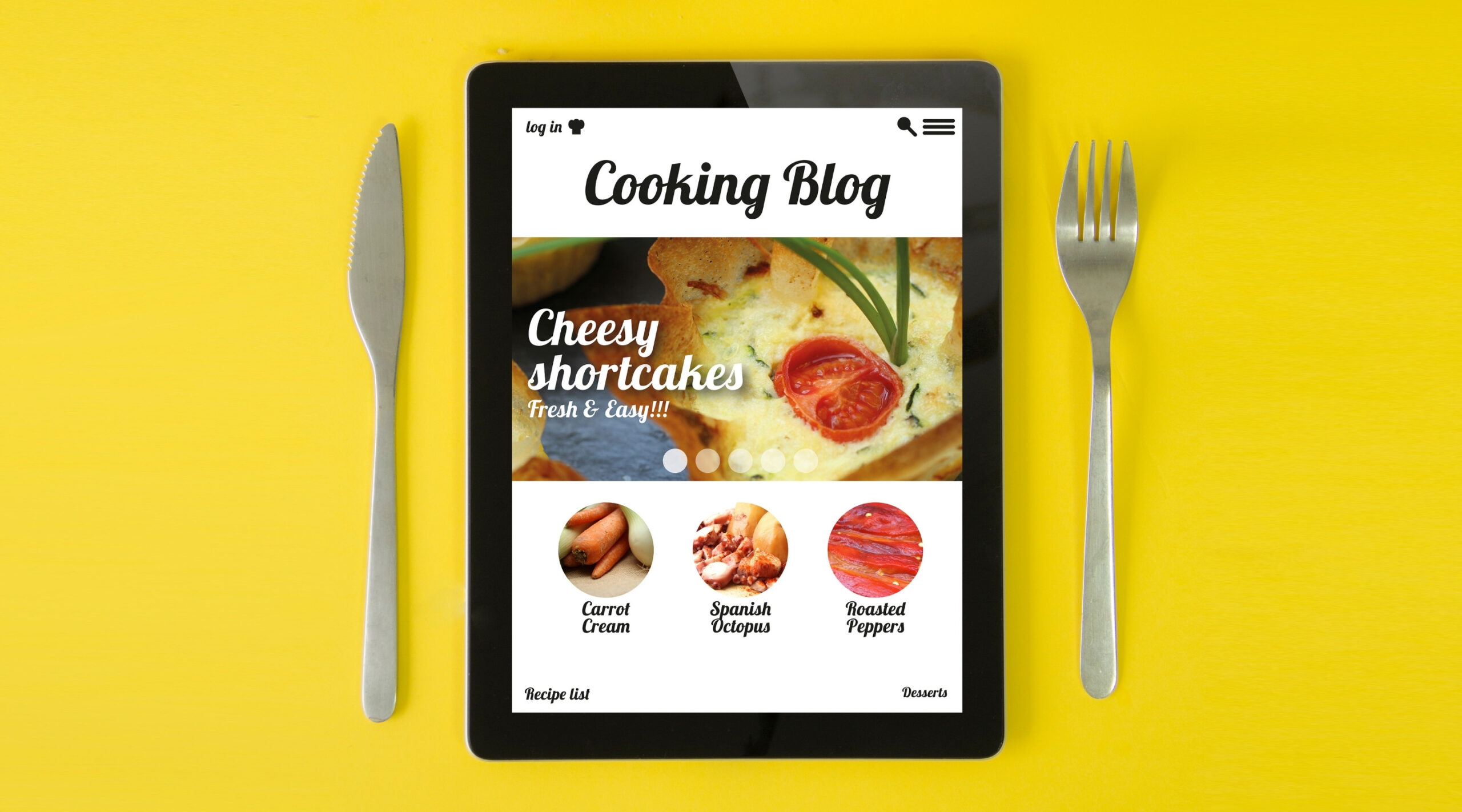
Blog Content for Authority Building Regular blog content about ingredients, cooking techniques, local food culture, and seasonal specialties helps establish culinary authority while improving search engine rankings.
The integration of AI-powered content creation tools can help restaurants maintain consistent blog content and menu descriptions while managing content creation costs.

Marketing Integration and Social Media
Social Media Platform Integration
Instagram Integration and Visual Storytelling Instagram integration should showcase daily specials, behind-the-scenes content, customer photos, and restaurant atmosphere through carefully curated visual storytelling that drives foot traffic.
Facebook Event Promotion and Community Building Facebook integration enables event promotion, community engagement, and customer service while providing additional channels for menu updates, special announcements, and customer feedback management.
TikTok and Short-Form Video Strategy Emerging platforms like TikTok require restaurants to create engaging short-form video content that showcases food preparation, unique dishes, and restaurant personality in entertaining formats.
Email Marketing and Customer Retention
Newsletter and Promotional Campaign Integration Email capture through website integration enables ongoing customer communication about new menu items, special events, seasonal offerings, and loyalty programs that encourage repeat visits.
Birthday and Special Occasion Marketing Customer data collection enables targeted marketing for birthdays, anniversaries, and special occasions that generate high-value celebratory dining revenue.
Loyalty Program Integration
Digital Loyalty Program Management Website integration with loyalty programs encourages repeat visits while providing valuable customer data for targeted marketing and personalized service delivery.
Referral and Social Sharing Incentives Integration of referral programs and social sharing incentives leverages satisfied customers as marketing ambassadors while tracking campaign effectiveness through digital analytics.
Measuring Success and ROI
Key Performance Indicators
Online Reservation and Ordering Conversion Rates Track conversion rates from website visits to completed reservations or orders, identifying optimization opportunities that improve revenue generation from digital channels.
Mobile Performance and Local Search Visibility Monitor mobile traffic patterns, local search rankings, and Google My Business engagement metrics that directly correlate with foot traffic and revenue generation.
Social Media Integration Effectiveness Measure social media referral traffic, engagement rates, and user-generated content creation that indicates successful integration between website and social media marketing efforts.
Customer Feedback and Continuous Improvement
Online Review Management and Response Monitor and respond to online reviews across platforms while using feedback to identify service improvements and address customer concerns proactively.
Website Analytics and User Behavior Analysis Analyze user behavior patterns, popular content, and conversion funnels to identify optimization opportunities that improve customer experience and business results.
Seasonal Performance Tracking Track performance variations across seasons, holidays, and local events to optimize marketing timing and menu presentation for maximum business impact.
Understanding comprehensive web design pricing Singapore helps restaurants budget appropriately for professional websites that deliver measurable business results.
iPro Dezign specializes in restaurant web design that combines visual appeal with practical functionality, helping Singapore F&B businesses attract customers and increase revenue through strategic digital experiences.
FAQS
Q: How much should a Singapore restaurant invest in professional web design?
A: Singapore restaurants typically invest $4,000-$12,000 in professional web design depending on features like online ordering, reservation systems, and menu complexity. This investment usually pays for itself within 6-12 months through increased reservations and direct orders.
Q: Do restaurants need separate mobile apps or is a mobile-optimized website sufficient?
A: Mobile-optimized websites typically serve most restaurant needs effectively and cost-efficiently. Consider dedicated apps only if you have high customer frequency, extensive loyalty programs, or unique functionality that websites cannot provide adequately.
Q: How important is online ordering integration for Singapore restaurants?
A: Online ordering has become essential for Singapore restaurants, with direct website ordering preferred over third-party platforms to avoid commission fees and maintain customer relationships. Integration with delivery platforms provides additional revenue channels while maintaining cost control.
Q: What’s the most important feature for restaurant website success?
A: Mobile optimization combined with prominent menu display and easy contact/reservation access typically drives the most business results. Focus on making it effortless for customers to find information and take action on mobile devices where most restaurant discovery occurs.
IPRO DEZIGN PTE LTD
Web Design Agency Singapore