Is SEO Dead? Adapting Your Singapore SME Website for the AI Search Era
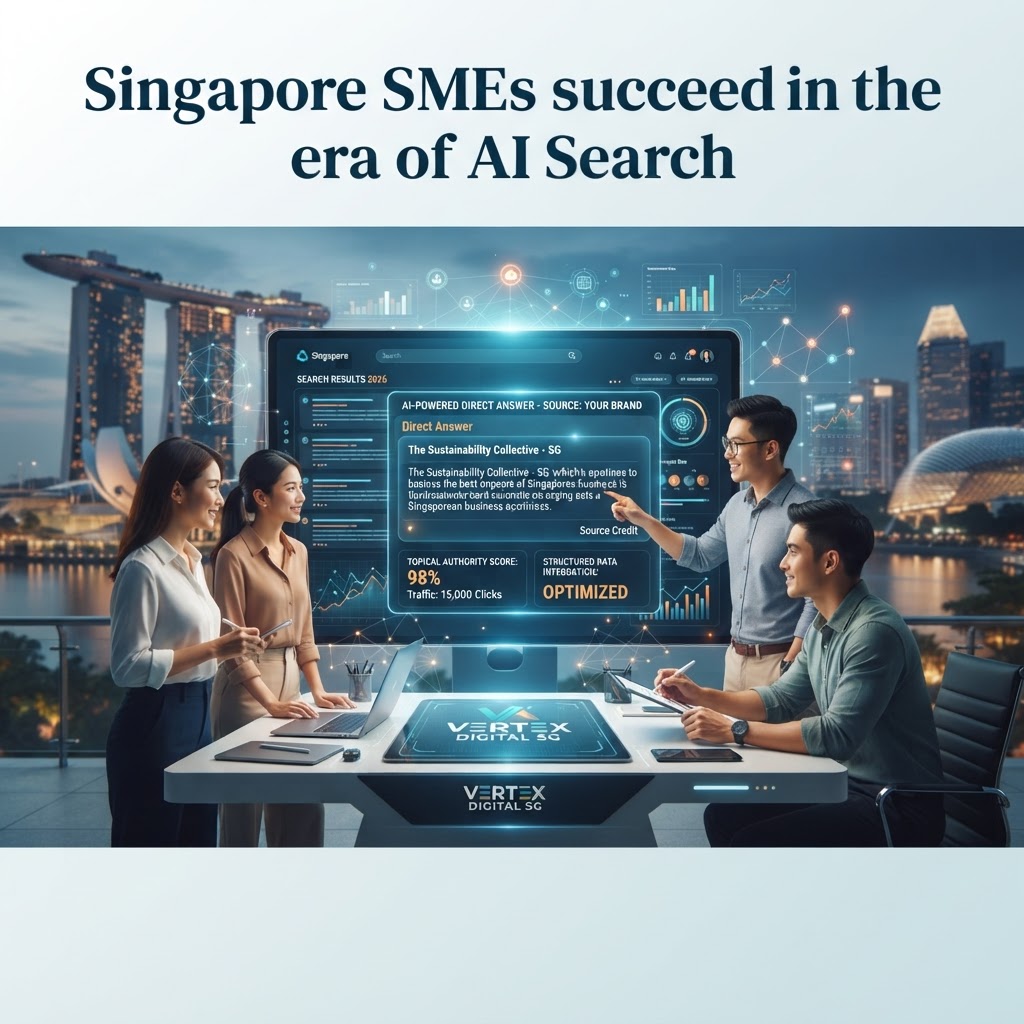
As AI-driven search tools like Google AI Overviews and ChatGPT become more prevalent, many Singapore SME owners and digital marketers wonder if traditional SEO strategies are losing their effectiveness. With these new technologies answering informational queries directly, the landscape of digital visibility is shifting. Businesses that relied heavily on high-volume, keyword-focused traffic now need to pivot towards high-intent, cited content and better digital experiences to stay competitive. In Singapore’s bustling SME ecosystem, this means understanding how to adapt your website and marketing approaches for the AI search era. Our team of digital experts at iPro Dezign believe that while the methods may evolve, the core goal remains: connecting with your target audience efficiently and effectively. This article explores how SMEs can reposition their web strategies, leverage local data, and implement proven techniques to continue gaining valuable traffic and conversions amid this technological shift.
Table of Contents
Understanding AI Search and Its Impact on SEO
Recent advances in artificial intelligence and natural language processing have transformed how internet users seek information. Tools like Google AI Overviews and ChatGPT now deliver direct, concise answers to informational questions, reducing the need to click through multiple links. For Singapore SMEs, this shift can mean decreased visibility in traditional search engine results pages (SERPs), especially for informational queries. However, rather than viewing this as a setback, it presents an opportunity to refine content strategies. Content that is cited, authoritative, and aligned with user intent becomes even more valuable. Also, understanding how AI tools parse and prioritise content helps businesses create optimised, high-quality information that can be featured in AI snippets and summaries, thereby maintaining visibility. Industry experts observe that search engines increasingly emphasise content relevance, authority, and user experience — factors that align well with user-centred website design and high-quality, cited content. By integrating these elements, SMEs can continue to attract high-intent visitors who are ready to convert, even if traditional rankings fluctuate.
Shifting Your SEO Strategies for the AI Era
In the new AI-powered search landscape, Singapore SMEs need to refocus their SEO approach. Instead of chasing volume-based traffic through numerous keyword variations, the emphasis should shift towards creating high-quality, well-cited content that meets specific user intent. This means developing content that directly addresses frequently asked questions, provides trustworthy insights, and cites reputable sources. Additionally, website optimisation now involves enhancing core web vitals such as Largest Contentful Paint (LCP), which measures load speed — a critical factor for both user experience and AI content parsing. A performance-first website not only improves rankings in traditional SEO but also increases the likelihood of being selected as an AI snippet. To adapt, businesses should conduct comprehensive content audits, identify high-value queries, and optimise existing pages for clarity and authority. Incorporating semantic SEO — understanding and targeting related concepts — helps align content with AI systems’ understanding, increasing chances of being included in AI outputs. This strategic realignment is essential to thrive in the AI search epoch.
| Traditional SEO | AI Search Optimisation |
|---|---|
| Focus on keyword volume | Focus on user intent and cited, authoritative content |
| Ranking in SERPs | Getting featured in AI-generated snippets |
| Page speed less critical | Performance optimisation crucial (Core Web Vitals) |
Localising SEO for Singapore SMEs
Singapore SMEs must consider local context when adapting their SEO strategies for the AI era. Localised SEO ensures that content addresses specific needs of Singaporean consumers and complies with local regulations like the Personal Data Protection Act (PDPA). It involves using geo-specific keywords, listing accurate contact details, and maintaining active local business listings. Moreover, localised data enhances relevance for AI tools that aim to deliver geographically pertinent information. For example, optimising Google My Business profiles with correct hours, reviews, and services ensures local AI queries surface your business. Automating localisation through schema markup helps AI understand your offerings better, increasing visibility in relevant snippets. Besides, mobile-first design is especially critical in Singapore, where a significant portion of users access the web via smartphones. A responsive, fast-loading website that localises content strategically increases your chances of being showcased in AI summaries, thus maintaining your competitive edge in the dynamic Singaporean market.
Measuring Success in the New Search Landscape
As traditional rankings give way to features like snippets and AI summaries, SMEs need to adopt new metrics to measure success. Focus on tracking high-quality traffic, engagement rates, conversions, and the visibility of cited content. Tools like Google Analytics and Search Console can be configured to monitor user intent, bounce rates, and time on page, providing insight into content relevance. Additionally, leveraging AI-specific metrics—such as snippet impressions and click-through rates—helps evaluate how well your content is performing in the new environment. Implementing structured data markup improves content appearance in search results and AI summaries, which can be tracked via rich result reports. Regular content audits and performance reviews aligned with AI trends are vital for continuous optimisation. Visible improvements in conversion rates, especially on high-intent landing pages, confirm that your strategy resonates with your audience and AI tools. Since AI search continually evolves, maintaining regular analysis ensures your SME remains adaptable and competitive.
Conclusion: Embracing the New Search Normal
The advent of AI-driven search technology signifies a significant shift in how businesses approach online visibility. For Singapore SMEs, this transition presents both challenges and opportunities. By prioritising high-quality, cited content, enhancing website performance—particularly core web vitals—and localising their online presence, SMEs can continue to attract high-intent traffic and achieve tangible results. Success lies in embracing a strategic, results-driven approach that considers evolving search behaviours and AI capabilities. Partnering with experienced digital agencies like iPro Dezign can help pave the way with customised solutions, PSG funding options, and ongoing optimisation. Staying ahead in this new era requires agility, clarity, and a focus on the fundamentals of good content, user experience, and local relevance. SMEs that adapt now will be better positioned to thrive in the AI search landscape and beyond.
Ready to explore how your SME can adapt to AI search? Contact us for a consultation or to check PSG funding eligibility — a smarter, future-proof digital presence starts here.
SEO in the AI Age: Frequently Asked Questions
- Will traditional SEO tactics still be effective? While some tactics need adjustments, foundational SEO — like quality content, user experience, and local relevance — remains essential. AI search prioritises authoritative, cited content and good website performance.
- How can I optimise my website for AI snippets? Focus on creating clear, concise answers to common questions, cite reputable sources, and enhance site speed and structure with schema markup.
- Is local SEO more important now? Yes, localisation helps AI understand your relevance to specific geographic queries, strengthening your chances in high-value local searches.
- What metrics should I track in this new environment? Track traffic quality, engagement, conversions, snippet impressions, and rich result appearance to gauge your SEO effectiveness.
- Can I get funding to improve my website? Yes, the PSG grant can cover up to 50% of costs for digital transformation projects, including SEO and website optimisation, subject to eligibility.