Introduction
2026 is a turning point for digital presence in Singapore. Businesses that master the intersection of seo singapore and web design singapore will not just appear in search results — they will convert visitors into customers, reduce acquisition costs, and scale more predictably. This article outlines practical trends, technical priorities and strategic moves that businesses and agencies should adopt to stay ahead this year.
The 2026 context: why this year matters
Search engines have evolved from keyword matches to context engines powered by generative AI. Meanwhile, user expectations have shifted: instant load, seamless mobile experiences, privacy-aware tracking and personalised local relevance. In Singapore — a highly competitive, mobile-first market — these shifts amplify the need for integrated seo singapore and web design singapore strategies that focus on speed, semantics and user intent.
SEO Singapore: AI, local relevance and content intent
-
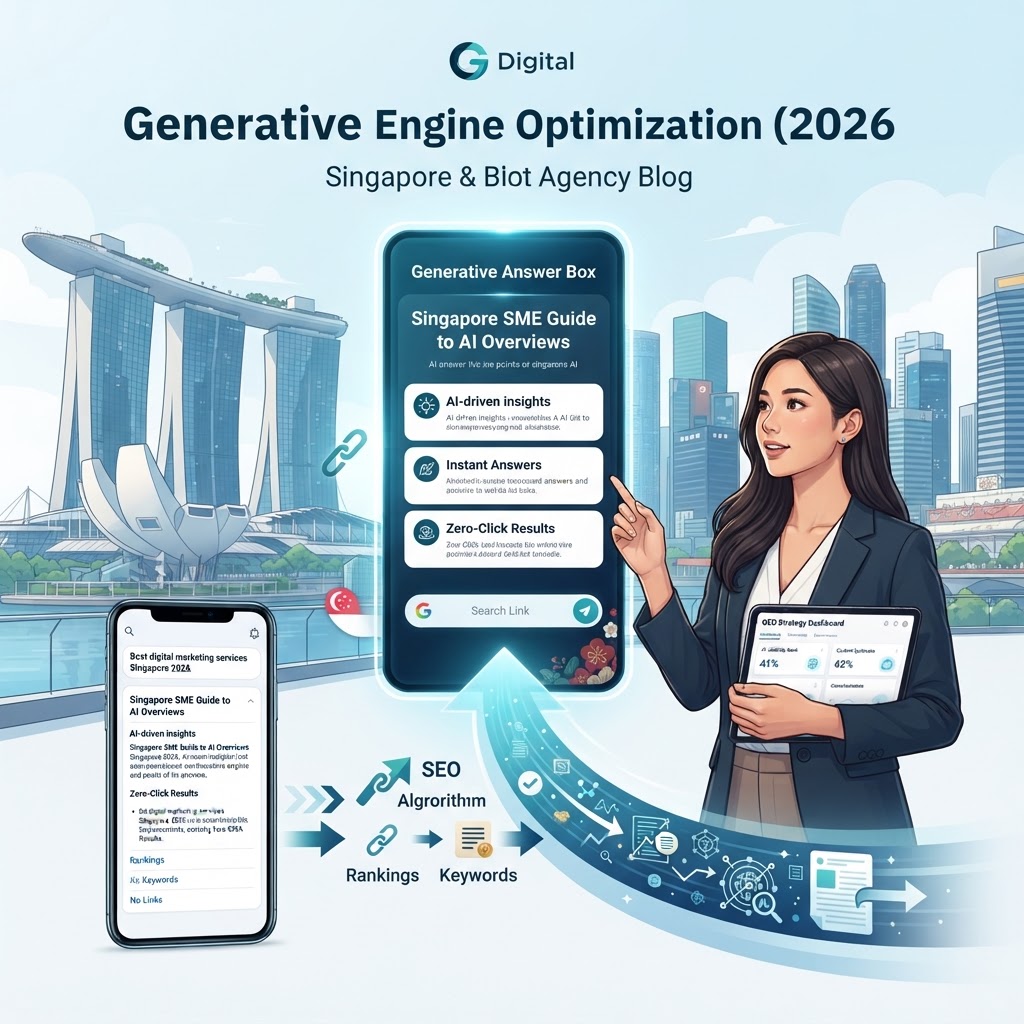
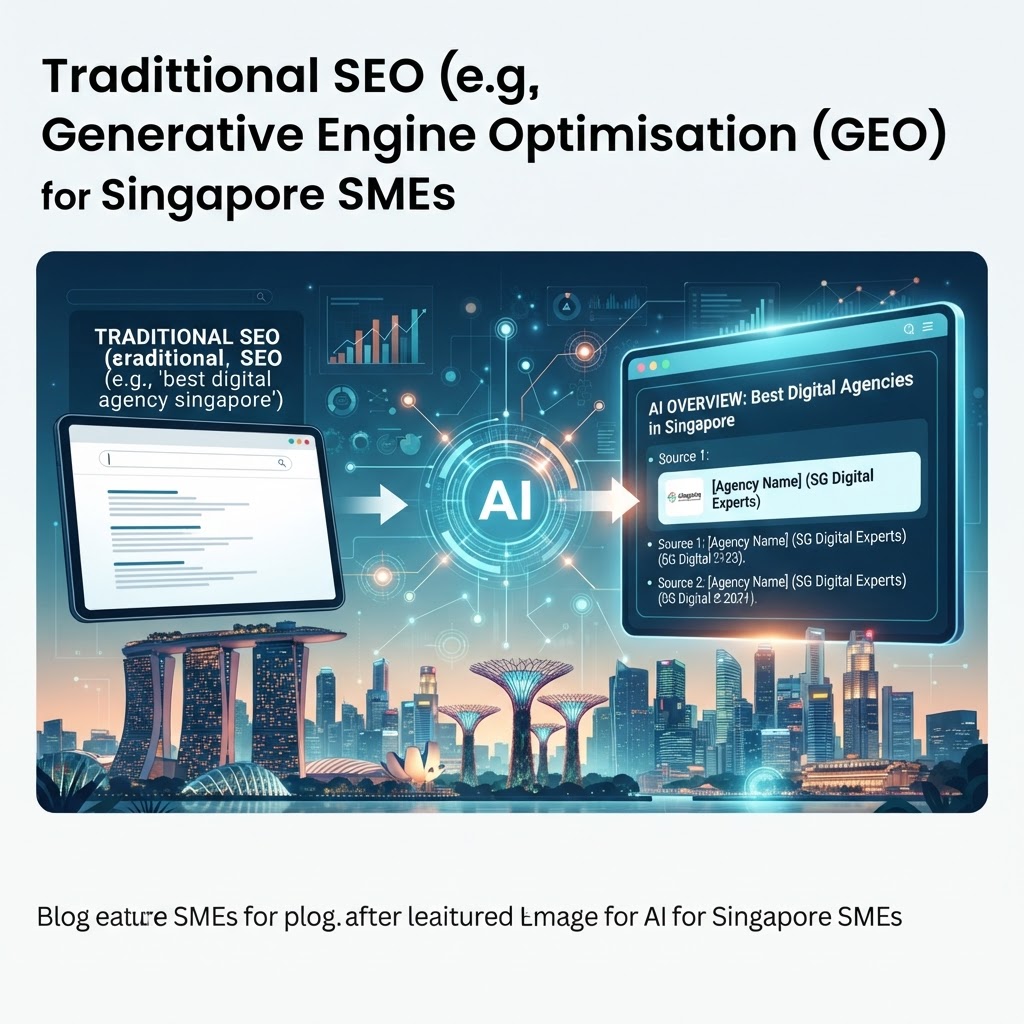
AI-driven search and generative results: Search engines increasingly synthesize answers rather than only returning links. This elevates the importance of authoritative, well-structured content that directly answers user questions. Optimising for structured snippets, FAQ blocks and conversational query formats is now core to modern seo singapore. For Singapore SMEs exploring how AI changes ranking dynamics, resources on generative engine optimization can help bridge tactics and implementation (generative engine optimization).
-
Local-first optimisation: Hyperlocal SEO remains central. Businesses must own Google Business Profile, maintain consistent NAP (Name, Address, Phone) across directories, collect reviews strategically, and create locally relevant landing pages to capture searchers in different neighbourhoods and languages.
-
E-E-A-T and trust signals: Experience, Expertise, Authoritativeness and Trust continue to be ranking pillars. For service businesses in Singapore, case studies, client testimonials, transparent team bios and verified credentials can make the difference between page one and anonymity.
-
Semantic search and intent mapping: Instead of writing to exact keywords, organise content around intent clusters — discovery, consideration, comparison and purchase. This helps capture the multi-step journey typical of Singaporean consumers researching services and products.
-
Technical SEO and crawlability: With the rise of client-side rendering and headless architectures, server-side rendering, robust sitemaps, and proper canonicalisation are essential to ensure search engines interpret pages correctly.
Web Design Singapore: speed, accessibility and conversion
-
Core Web Vitals as foundational metrics: Largest Contentful Paint (LCP), First Input Delay (FID)/Interaction to Next Paint (INP), and Cumulative Layout Shift (CLS) matter for both ranking and user experience. Fast-loading templates, optimised images, and efficient JS are non-negotiable.
-
Mobile-first and progressive experiences: Progressive Web Apps (PWAs), responsive micro-interactions, and touch-optimised forms address Singapore’s high mobile usage. Smooth onboarding flows reduce drop-off and increase lead capture.
-
Accessibility and inclusive design: Web accessibility (WCAG compliance) improves reach, reduces legal risk, and enhances usability for everyone. Simple changes — semantic HTML, keyboard navigation, alt text, and colour contrast — boost both UX and SEO.
-
Design systems and modular architecture: Reusable components speed up iteration and ensure consistent brand experiences across touchpoints. Headless CMS paired with performant front-end frameworks enables rapid experimentation without SEO regressions.
-
Conversion-focused UX: Design for intent. Clear CTAs, contextual microcopy, simplified checkout flows and trust badges tailored for the local market raise conversion rates. Integrating analytics with UX experiments is a decisive advantage.
Explore a practical playbook that links web design and SEO tactics to growth outcomes in Singapore: web design and SEO growth playbook.
Integrating SEO and Web Design: the hybrid playbook
When seo singapore and web design singapore teams work in silos, opportunities are missed. The hybrid playbook for 2026 emphasises:
- Shared KPIs: Page-level organic traffic, time-to-first-byte, conversion rate by channel, and SERP feature wins.
- Content-first design: Design templates should be content-aware, allowing semantic elements like FAQ, How-To and Article schemas without sacrificing speed.
- Experimentation cadence: Run iterative tests that measure both ranking signals and on-site conversion impact. A/B tests should include search visibility assessments.
- Privacy-first analytics: Implement server-side tracking or consent-based measurement to maintain data fidelity while complying with evolving privacy laws.
For conversion-led programs that combine these disciplines, reference a focused conversion strategy resource: digital marketing conversion strategy.
Practical technical checklist for 2026
- Speed and performance
- Implement server-side rendering or hybrid rendering for dynamic content.
- Use image formats like AVIF/WebP and lazy-loading with proper width/height attributes.
-
Audit third-party scripts; load only essential tags asynchronously.
-
Search and schema
- Add structured data for products, local businesses, FAQ, events and recipes where applicable.
-
Maintain canonical tags and hreflang for multilingual sites.
-
Content strategy
- Map content to intent clusters and localise language/offerings for Singapore micro-markets.
-
Produce concise answer-led content for featured snippets and conversational results.
-
UX and accessibility
- Run automated accessibility scans and remediate high-impact issues.
-
Minimise layout shifts and ensure interactive elements are responsive on touch devices.
-
Measurement and AI tooling
- Use server-side event capture for critical conversion events.
- Evaluate AI content assistants for ideation and summaries, but always apply human review and expertise.
If you want guidance on how AI impacts SEO strategy specifically in the Singapore market, a focused overview provides strategic context and tactical next steps: SEO Singapore AI overviews.
Trends shaping budgets and staffing
- In-house + agency hybrid: More businesses keep strategic roles (content, analytics, CRO) in-house and outsource execution (technical SEO, site builds) to specialists.
- Cross-functional skillsets: Designers who understand SEO fundamentals and SEOs with an eye for UX are in demand.
- Automation for scale: Content templates, automated schema injection, and deployment pipelines reduce repetitive work, freeing teams to focus on differentiation.
Priorities for SMEs in Singapore
SMEs should prioritise high-impact, low-complexity activities first:
- Fix broken technical fundamentals (mobile, HTTPS, canonicalisation).
- Optimise top-converting pages for speed and intent.
- Build a local review and citation strategy.
- Run content experiments that target mid-funnel commercial queries.
- Measure attribution to ensure organic improvements translate to revenue.
For SMEs aiming to directly increase sales with an integrated approach, practical boosting tactics are documented in a case-focused guide: boost sales with SEO.
Measuring success: the KPIs that matter
Focus on metrics that link visibility to business outcomes:
- Organic sessions and pages per session, filtered by device and location.
- SERP feature impressions and click-through rate for featured snippets.
- Conversion rate by landing page and by keyword cluster.
- Revenue or leads attributable to organic channels.
- Core Web Vitals scores and their trend over time.
Use dashboards that combine search console, analytics and server-side events to reduce attribution gaps and support data-driven decisions.
Closing summary
In 2026, seo singapore and web design singapore are inseparable disciplines. Success requires merging semantic, AI-aware content strategies with fast, accessible, conversion-first design. Businesses that align teams around shared KPIs, invest in technical foundations and embrace localised, intent-driven content will capture higher-quality traffic and convert it more efficiently. The smartest investments are those that reduce technical debt, improve speed and create clear paths from discovery to purchase — a practical, measurable path to growth in Singapore’s competitive digital landscape.