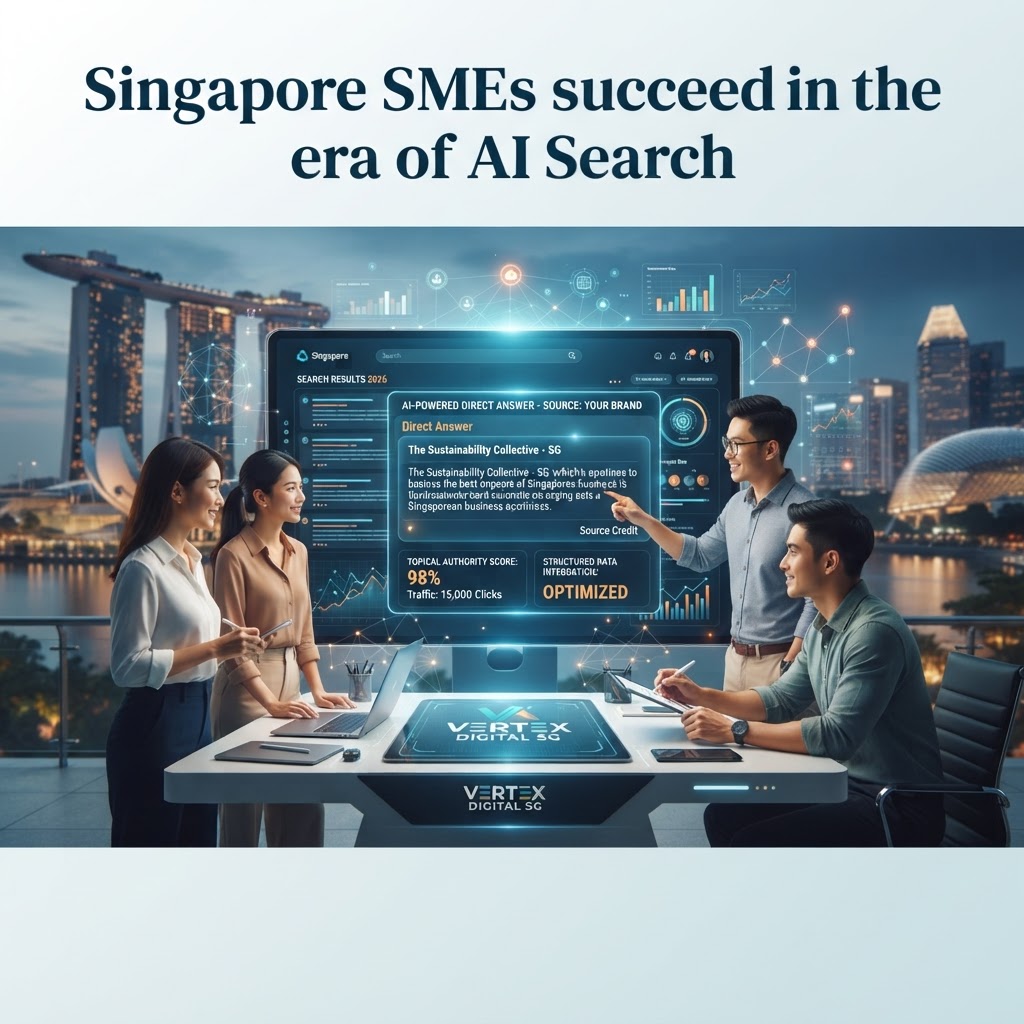
In the vibrant digital landscape of Singapore, the fusion of artificial intelligence (AI) and web design is not merely a trend; it’s a revolution. As businesses increasingly pivot to online platforms, the demand for innovative, user-friendly, and visually stunning websites has surged. Singapore, known for its technological advancements and robust education system, is at the forefront of this transformation, leveraging AI training to redefine the web design process.
The AI Revolution in Web Design
AI technologies are reshaping industries globally, and web design is no exception. From automating mundane tasks to providing insights into user behavior, AI is enhancing creativity and efficiency in the design process. In Singapore, companies are investing in AI training programs to equip designers and developers with the skills needed to harness these technologies effectively.
Enhanced User Experience
One of the key benefits of incorporating AI into web design is the ability to create personalized user experiences. By analyzing user data, AI can help designers understand user preferences and behaviors. For instance, AI algorithms can recommend layout changes based on how users interact with a website. This capability allows designers to create more engaging and intuitive interfaces that cater to individual user needs, ultimately leading to increased satisfaction and conversion rates.
Automation of Design Processes
AI tools can automate repetitive design tasks, allowing designers to focus on more creative aspects. Tools powered by AI can generate layout suggestions, suggest color palettes, and even create content based on user input. This not only speeds up the design process but also reduces the margin for error, enabling designers to deliver high-quality work in less time.
The Role of AI Training in Singapore
To fully realize the potential of AI in web design, professionals need comprehensive training. Singapore has recognized this need and is investing heavily in AI training initiatives. Educational institutions and private companies are offering courses that cover a range of topics, from machine learning and data analysis to user experience design.
Skill Development
AI training programs in Singapore are designed to equip designers with essential skills that align with industry demands. These programs often include hands-on projects, allowing participants to apply theoretical knowledge to real-world scenarios. By fostering a culture of continuous learning, Singapore is ensuring that its workforce remains competitive in the global market.
Collaboration Between Education and Industry
A notable trend in Singapore is the collaboration between educational institutions and the tech industry. Universities are partnering with tech companies to develop curricula that reflect current market needs. This collaboration ensures that students are not only learning theoretical concepts but also gaining practical experience with the latest tools and technologies used in the industry.
Current Trends in Web Design Influenced by AI
As AI continues to evolve, several trends are emerging in web design that highlight its impact on creativity and functionality.
1. AI-Powered Design Tools
Tools like Adobe Sensei and Wix’s AI design assistant are becoming more prevalent, allowing designers to create websites with minimal effort. These tools leverage AI to analyze design trends and user data, offering tailored suggestions that streamline the design process.
2. Chatbots and Virtual Assistants
Integrating AI-driven chatbots into web design enhances user interaction by providing immediate assistance and support. These virtual assistants can handle inquiries, guide users through the site, and improve overall engagement, making websites more interactive and user-friendly.
3. Predictive Analytics for User Behavior
Web designers in Singapore are increasingly using predictive analytics to foresee user behavior. By analyzing past interactions, designers can create websites that preemptively address user needs, leading to more effective designs that drive conversions.
4. Voice User Interfaces (VUIs)
With the rise of smart speakers and voice-activated devices, VUIs are becoming integral to web design. AI training programs are now incorporating VUI design, teaching designers how to create websites that are accessible and functional for voice searches.
Challenges and Considerations
While the integration of AI in web design presents exciting opportunities, it also comes with challenges. One major concern is the ethical implications of AI use, particularly regarding user privacy and data security. Designers must ensure that they are using AI responsibly, adhering to regulations and best practices to protect user information.
Moreover, there is a risk of over-reliance on AI tools, which could stifle creativity if not balanced with human intuition and artistic vision. Designers need to find a harmonious blend of AI capabilities and their unique creative insights to produce exceptional work.
The Future of Web Design in Singapore
As AI technology continues to advance, its influence on web design in Singapore is expected to grow. The city-state’s commitment to becoming a global tech hub means that ongoing investments in AI training and education will likely keep pace with technological developments. This proactive approach positions Singaporean designers to not only adapt to changes but also to lead innovations in the field.
In conclusion, AI training is revolutionizing web design in Singapore by enhancing user experiences, streamlining design processes, and fostering a culture of innovation. As designers harness the power of AI, they are not only improving their skill sets but also contributing to the broader digital transformation of businesses in Singapore. The future of web design looks promising, with AI at the helm, driving creativity and efficiency to new heights.
IPRO DEZIGN PTE LTD
Web Design Agency Singapore